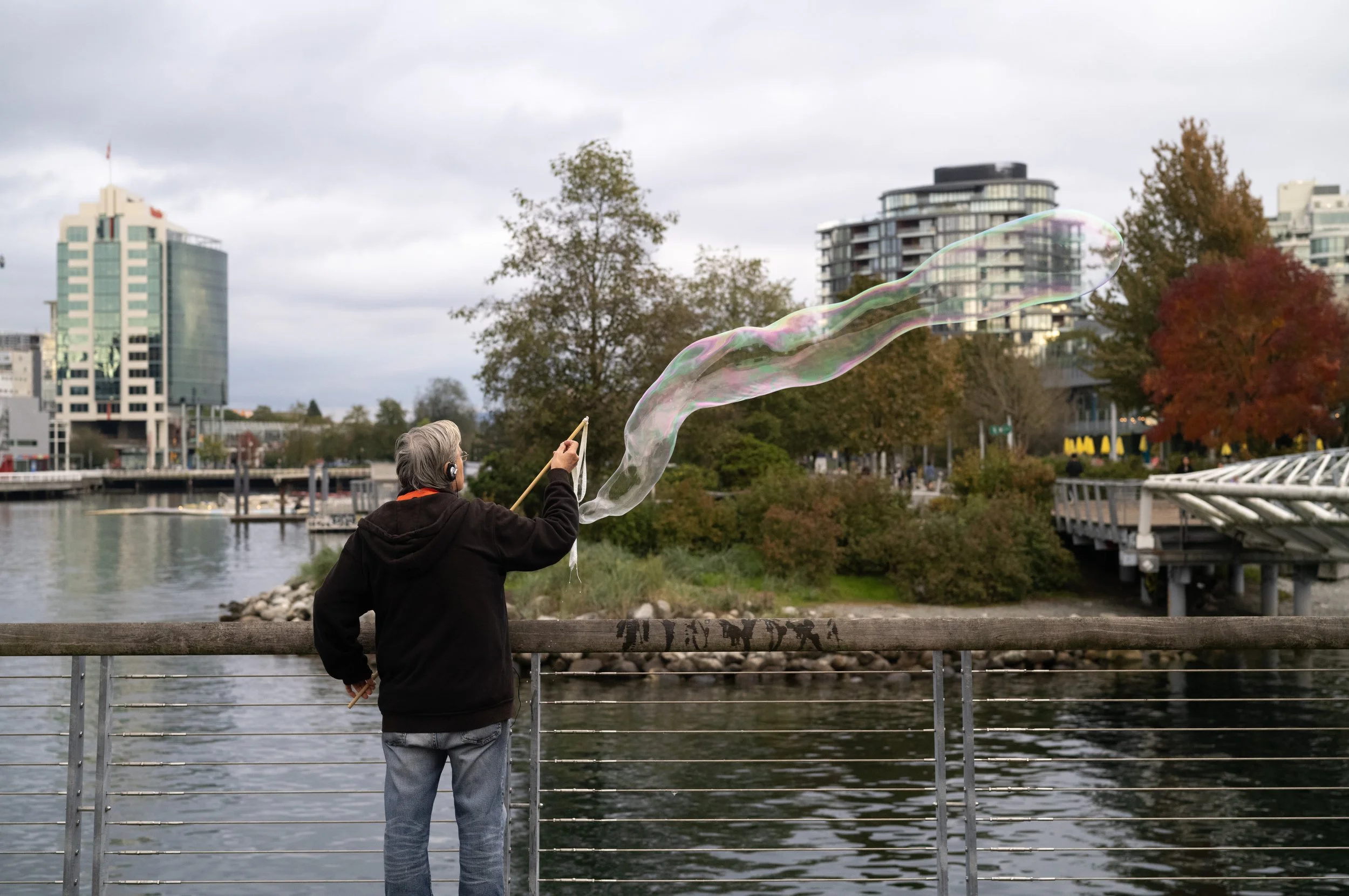
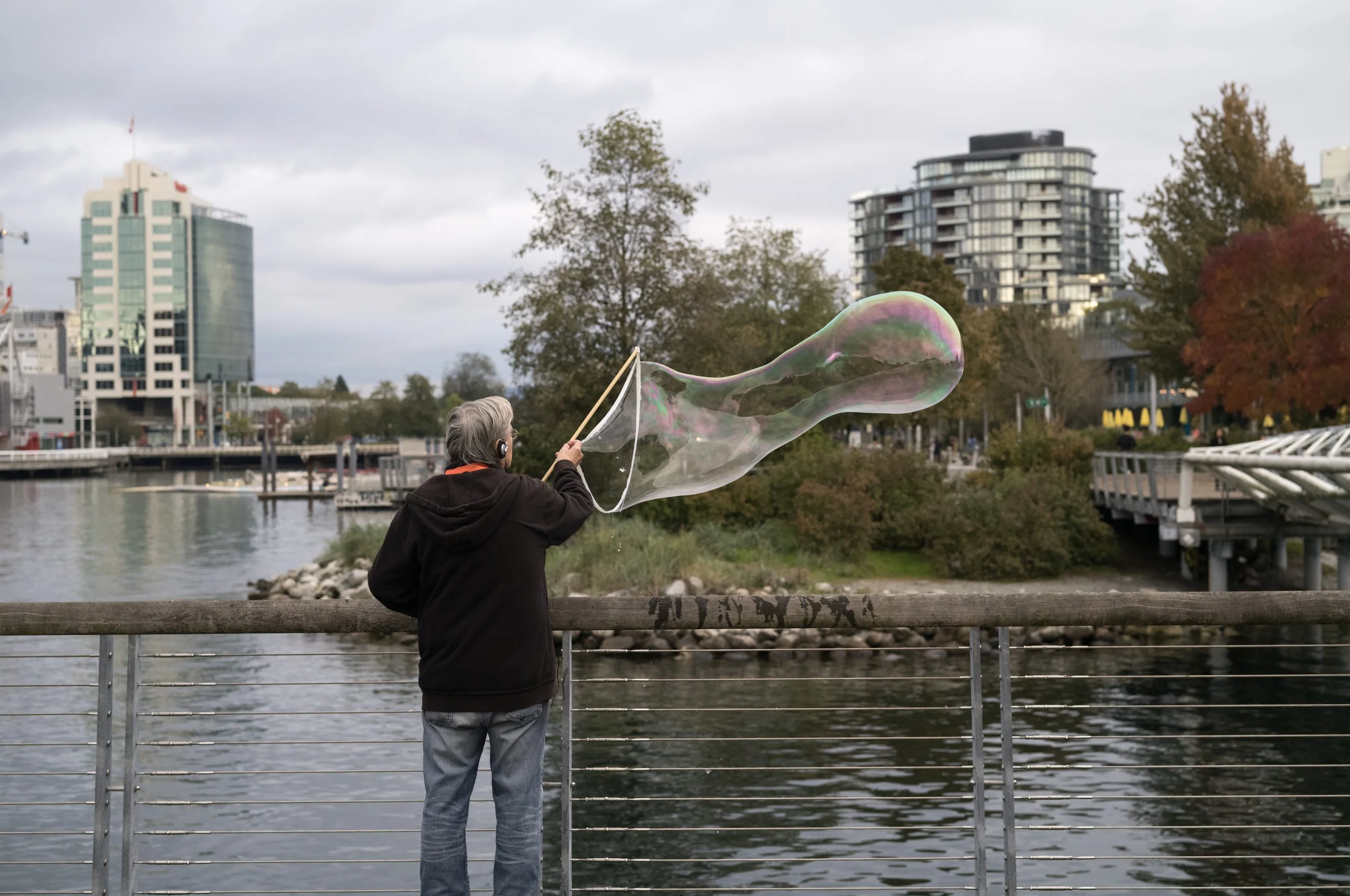
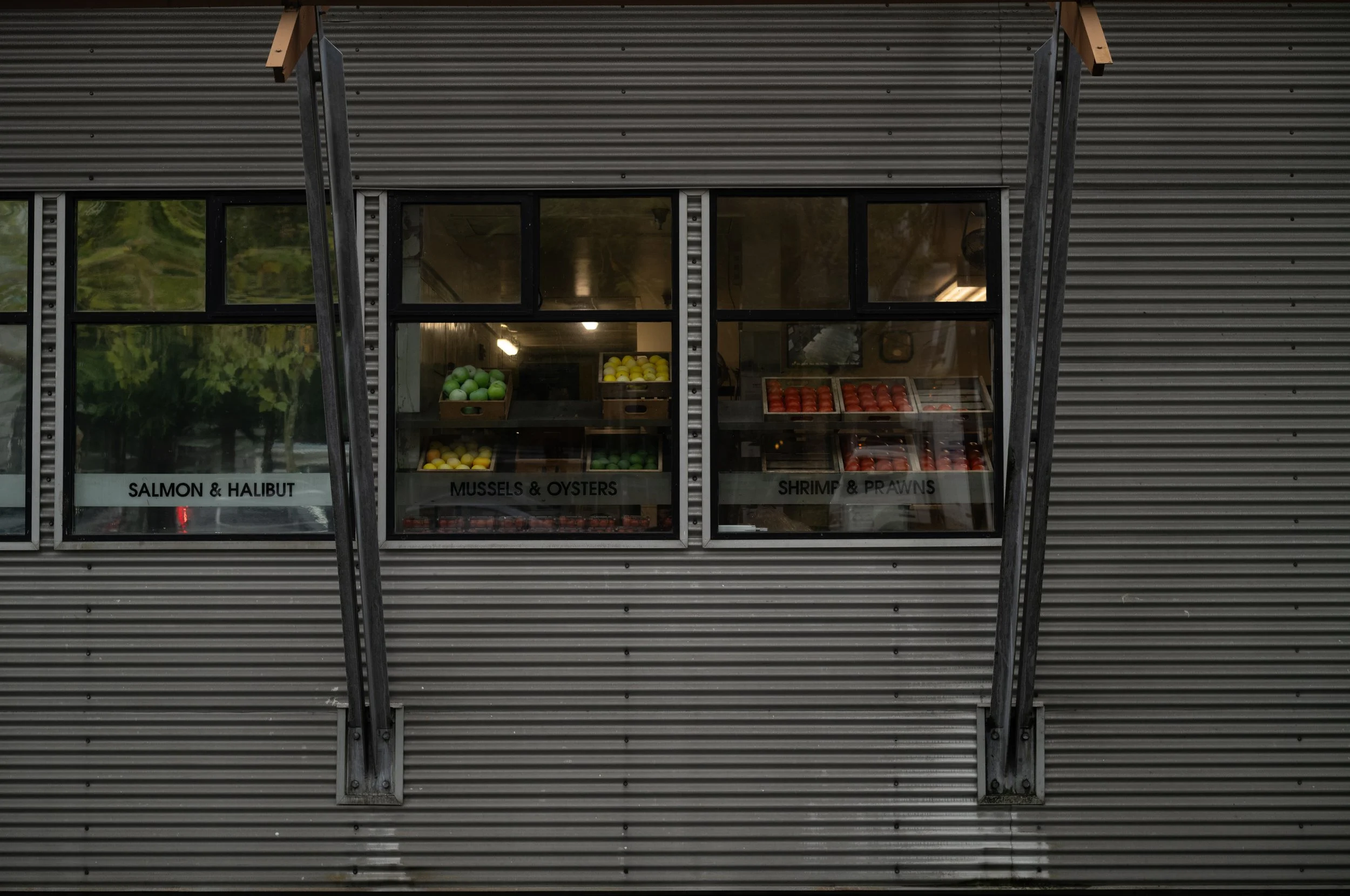
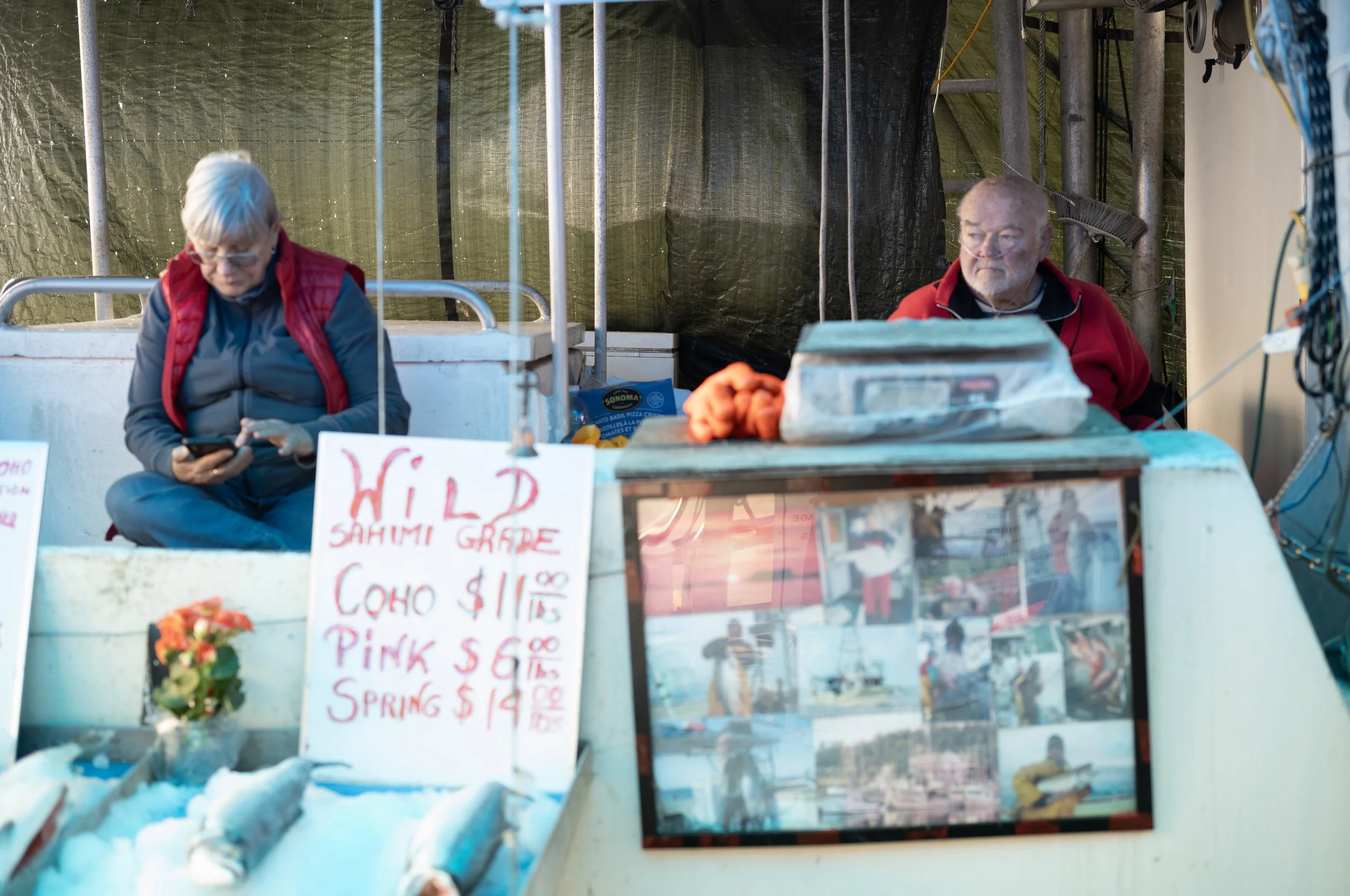
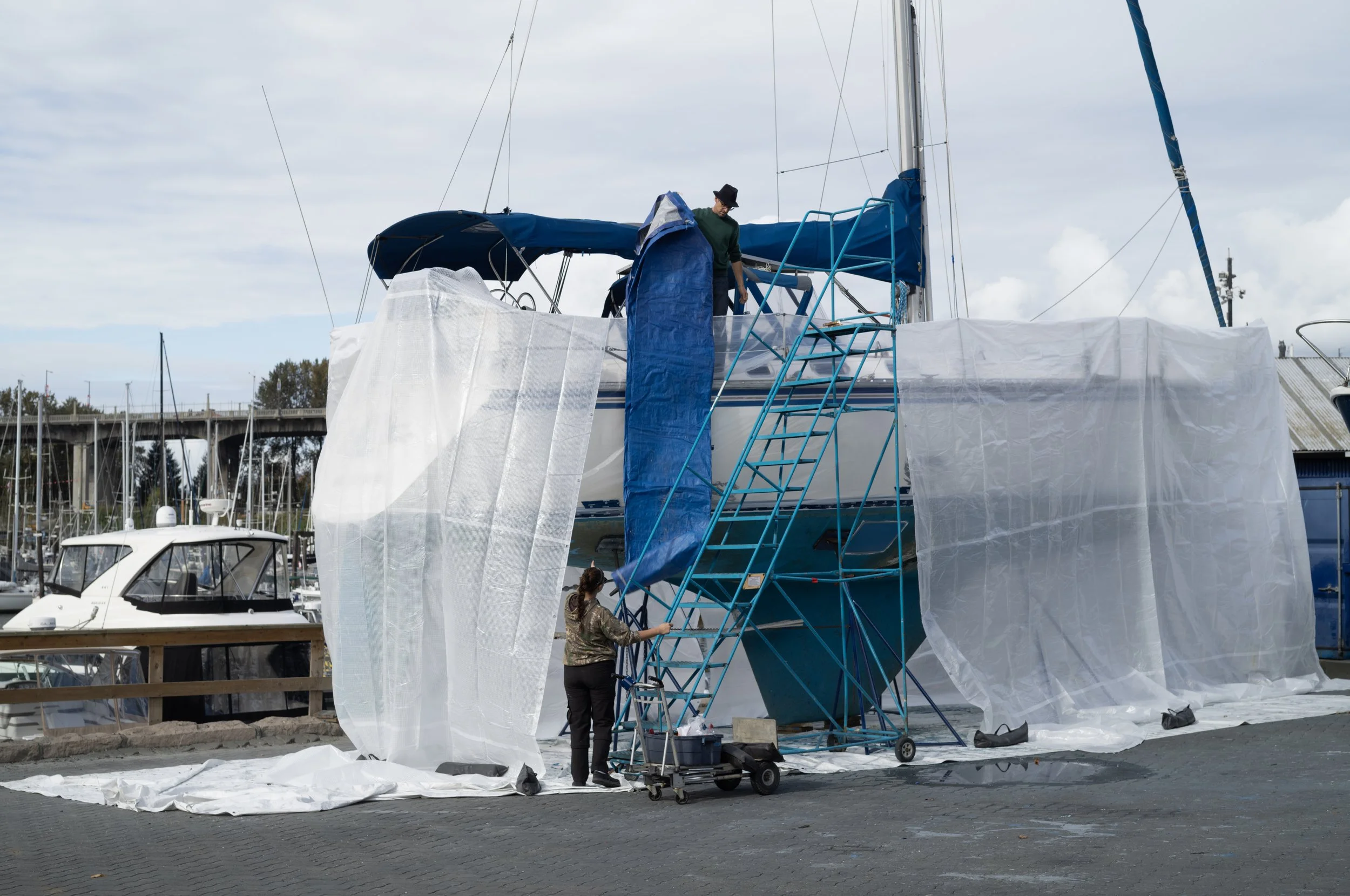
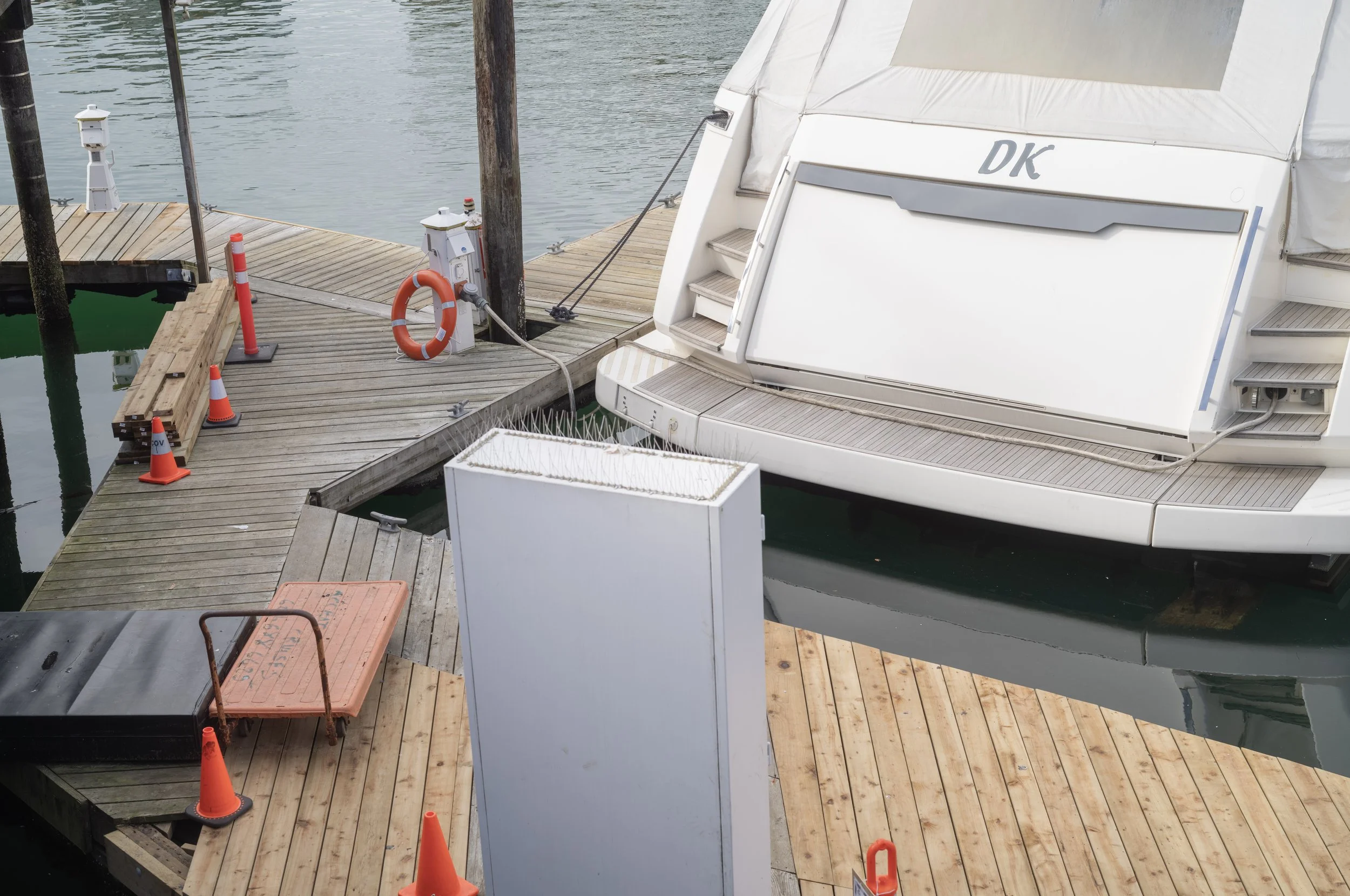
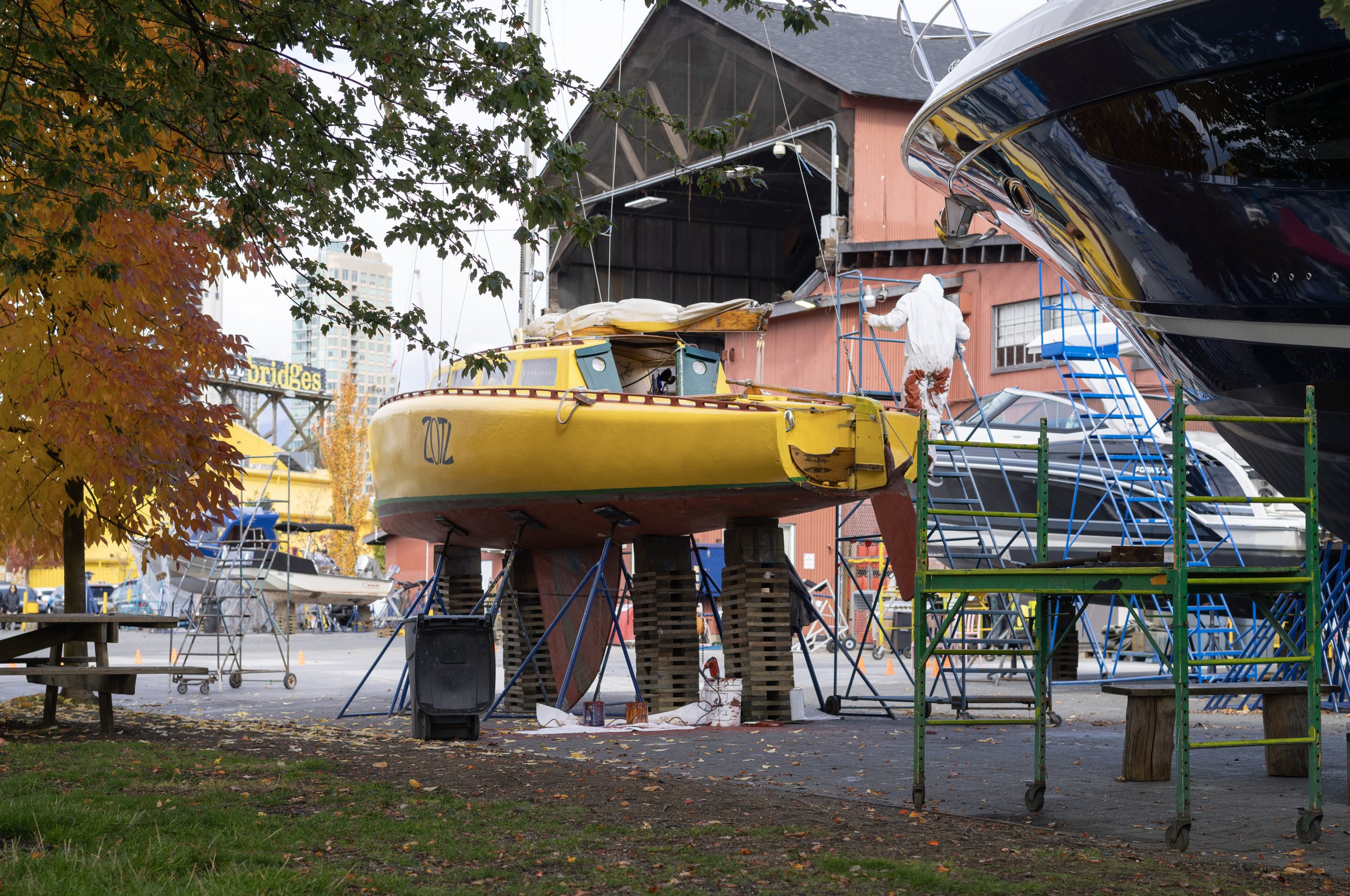
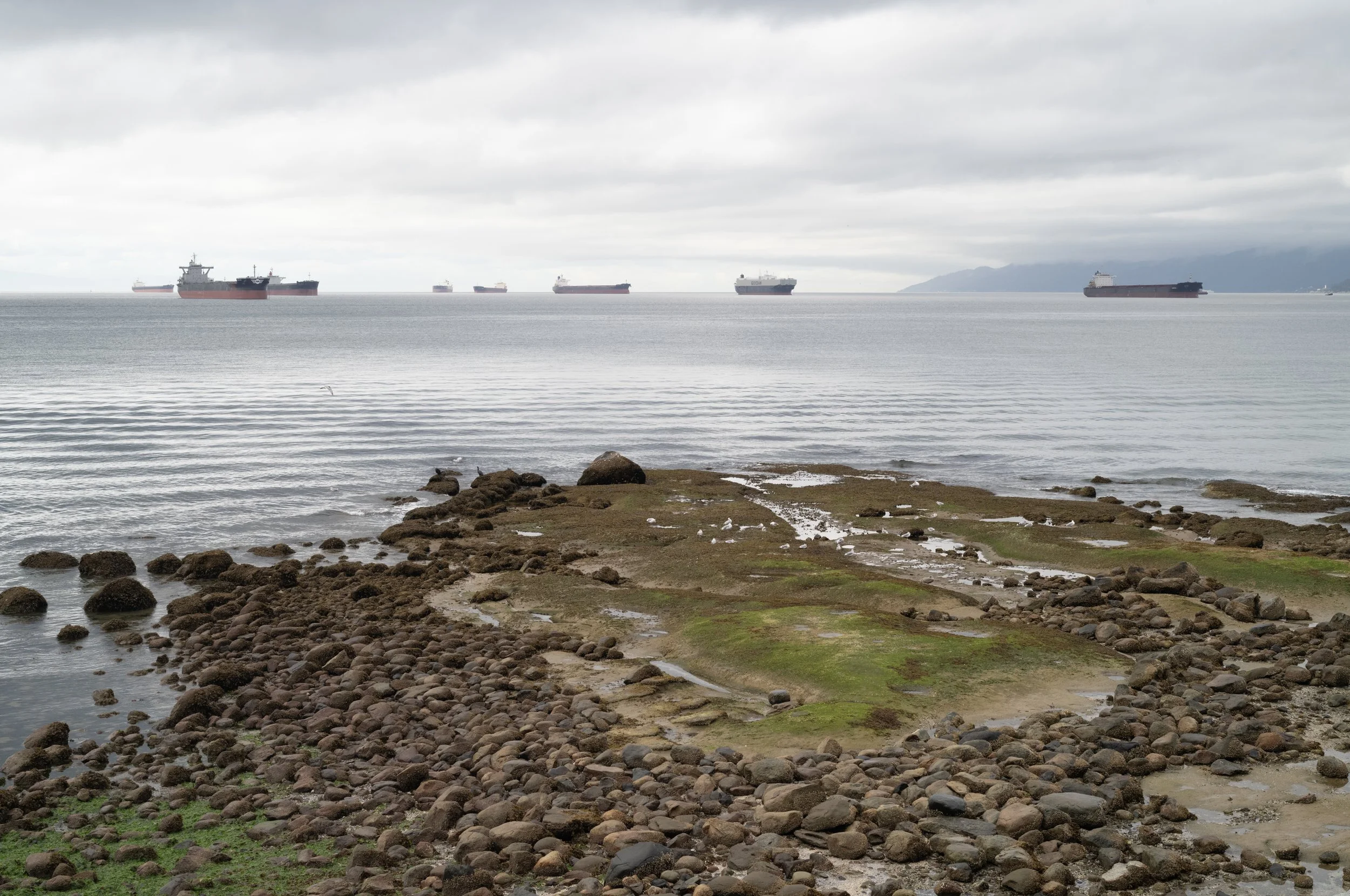
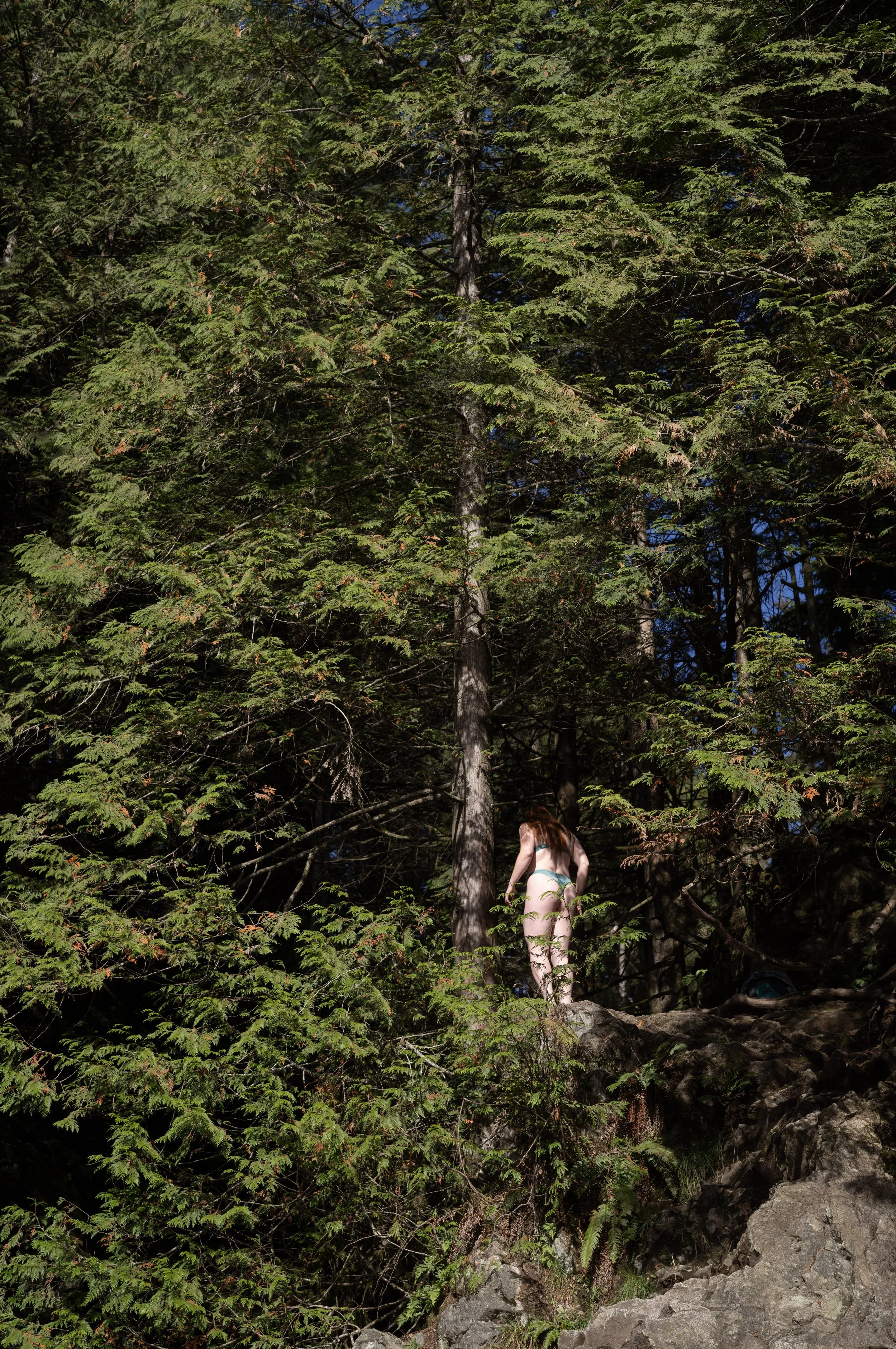
In 2019, shortly before I left Canada, I went to the University of Victoria and quietly sat in on a lecture. I no longer remember the professor’s name. What remains with me is this: he had lived and worked in Xinjiang for over a decade, spoke fluent Chinese, and carried with him a layered, uneasy understanding of Chinese society.That day, he said to us—students from China:“Coming to Canada is, in itself, a good thing. But if you wish to truly belong here, you must abandon your former identity. Many people who know little about Canada believe it to be a country founded on multiculturalism. I am convinced that multiculturalism will collapse entirely within the next twenty years. Europe has already offered a preview of what is to come.”The photographs in this series were made in October 2024.That year, I traveled through Canada with my parents. For me, it was not a departure, but a return—a return to a place where I had lived and studied for many years, and yet had never fully belonged. The passage of time, the shifting of identity, and a changed way of looking transformed this journey into an act of re-seeing.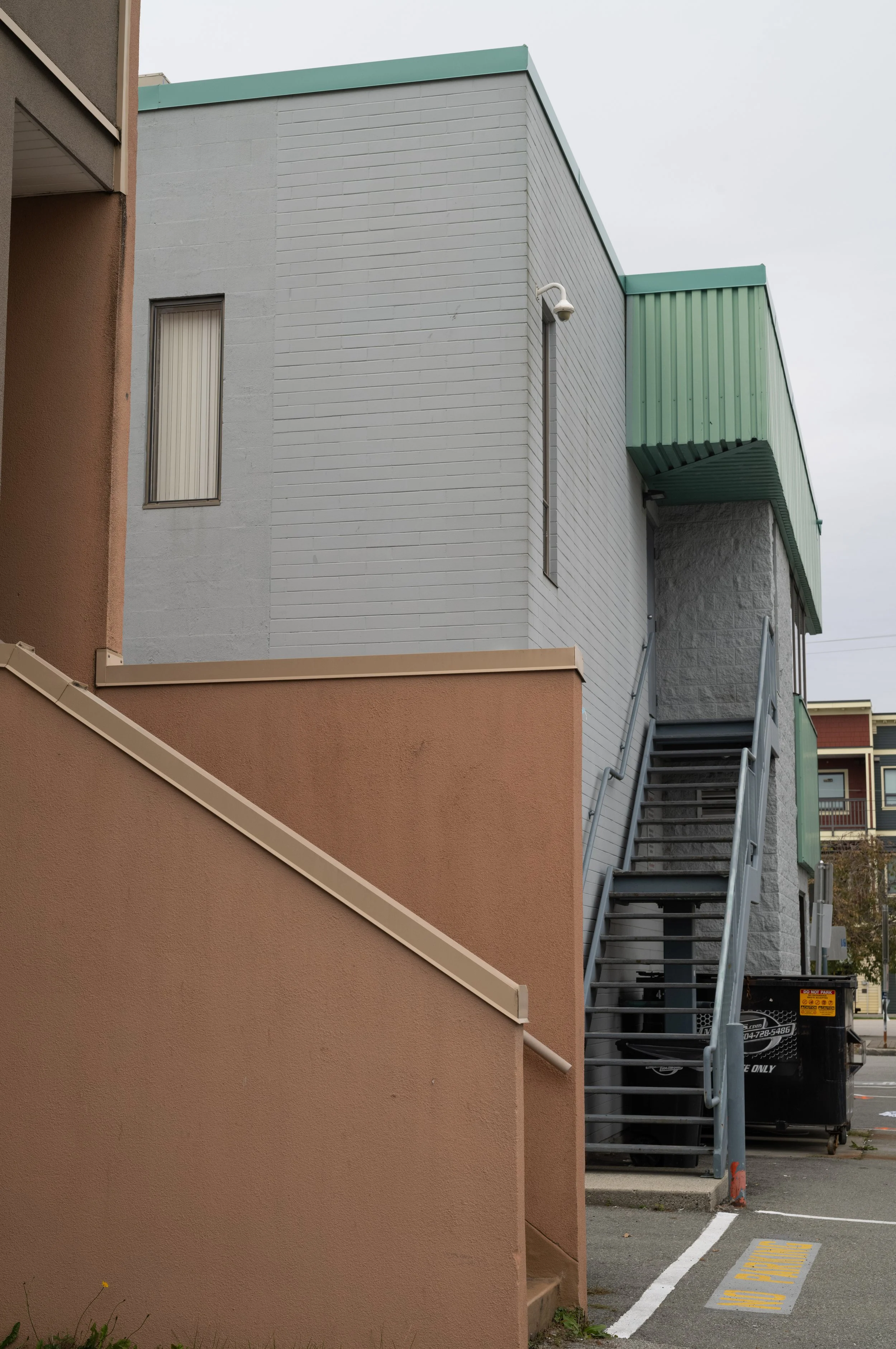
49°7'33.17" N 123°11'0.36" W
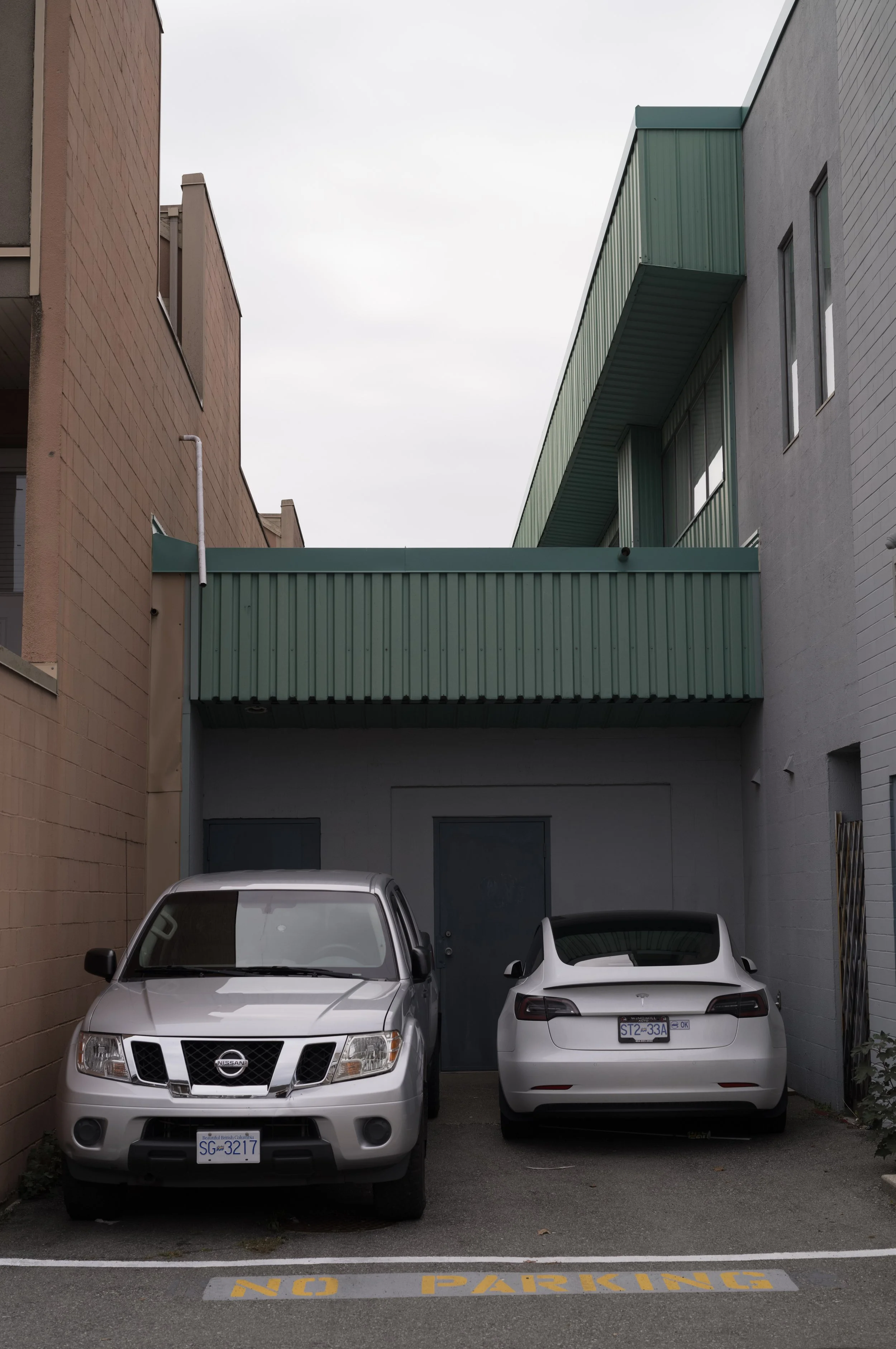
49°7'33.44" N 123°11'0.63" W
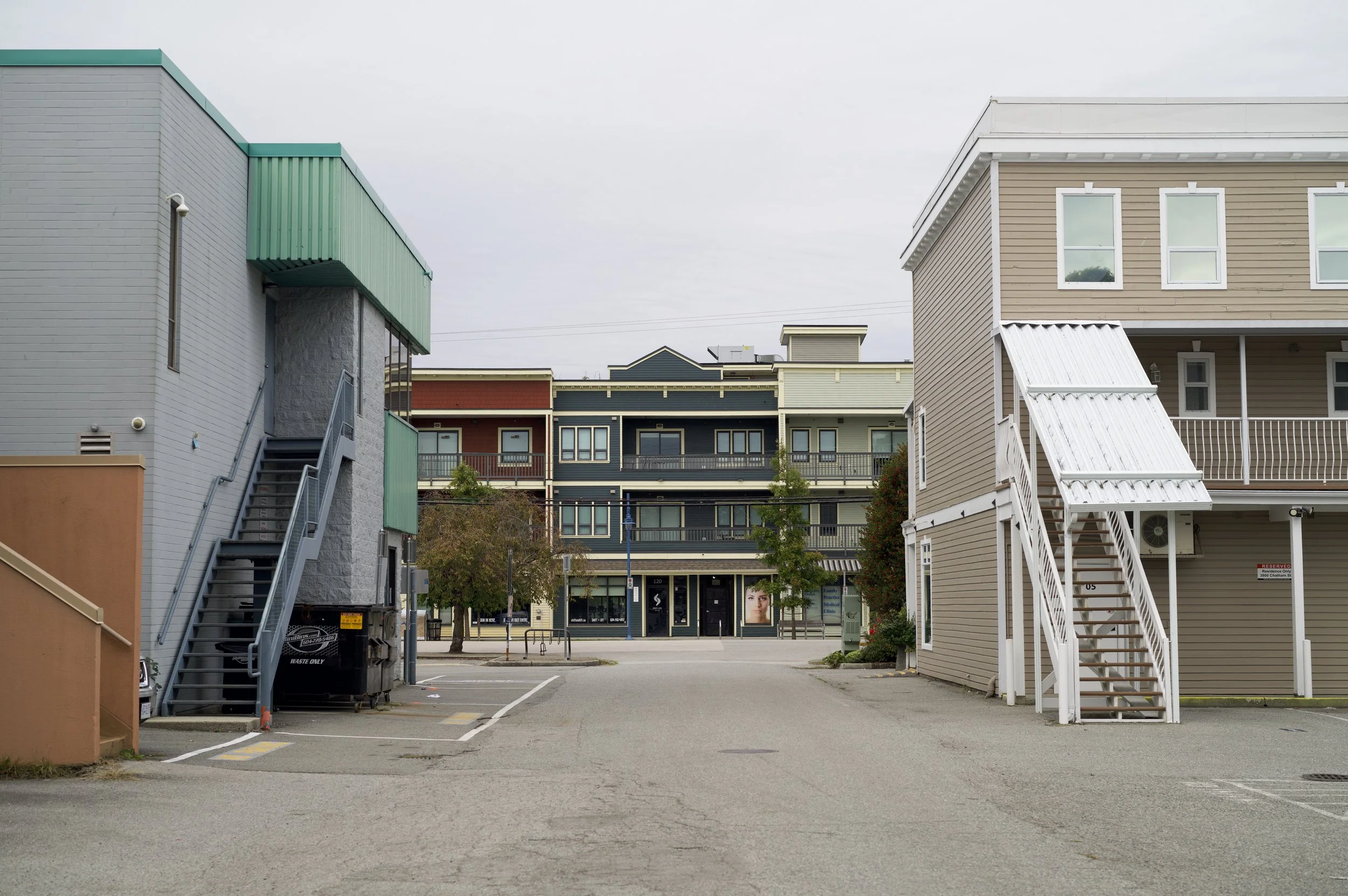
49°7'31.2" N 123°11'0.55" W
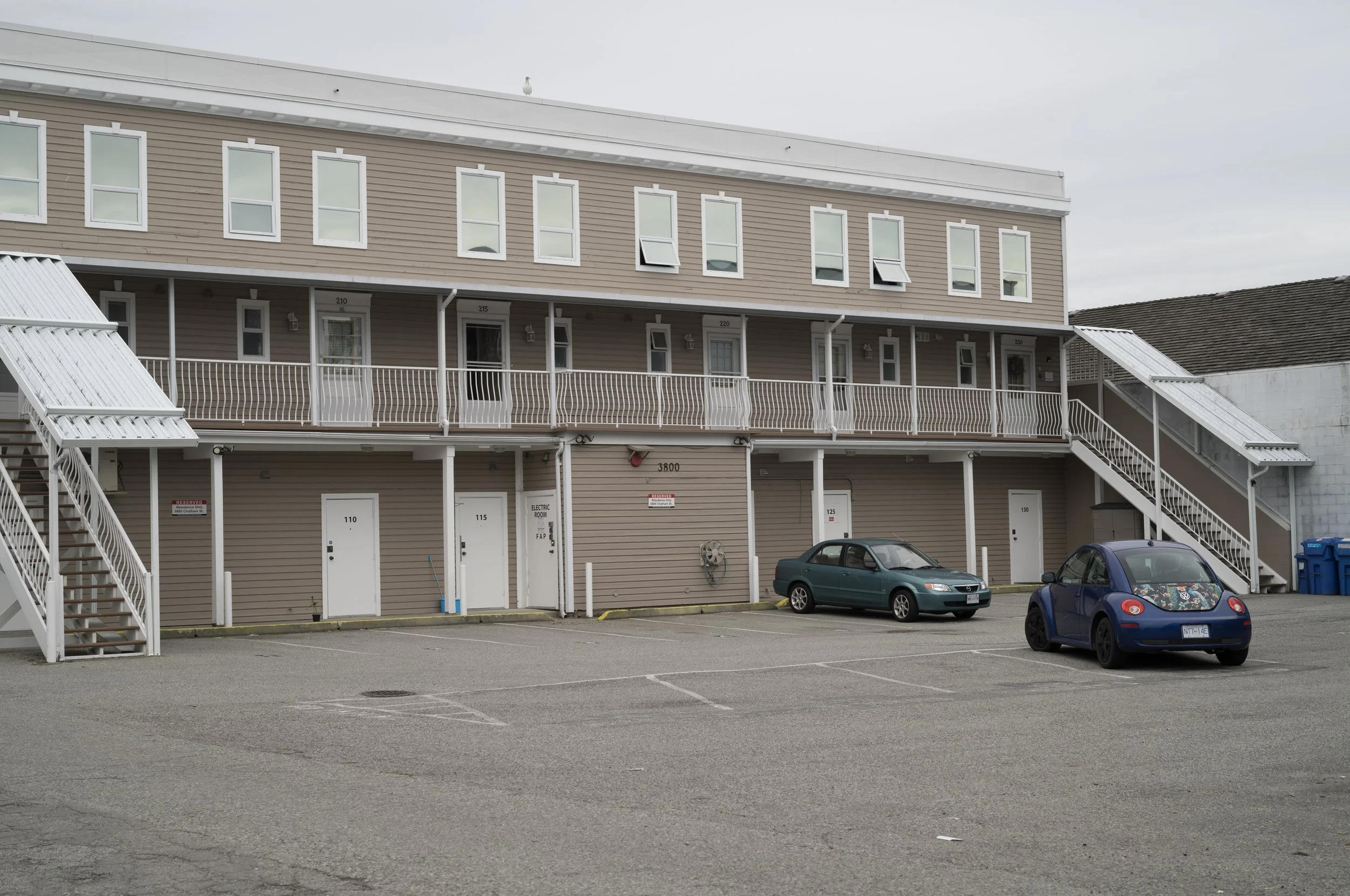
49°7'31.2" N 123°11'0.55" W
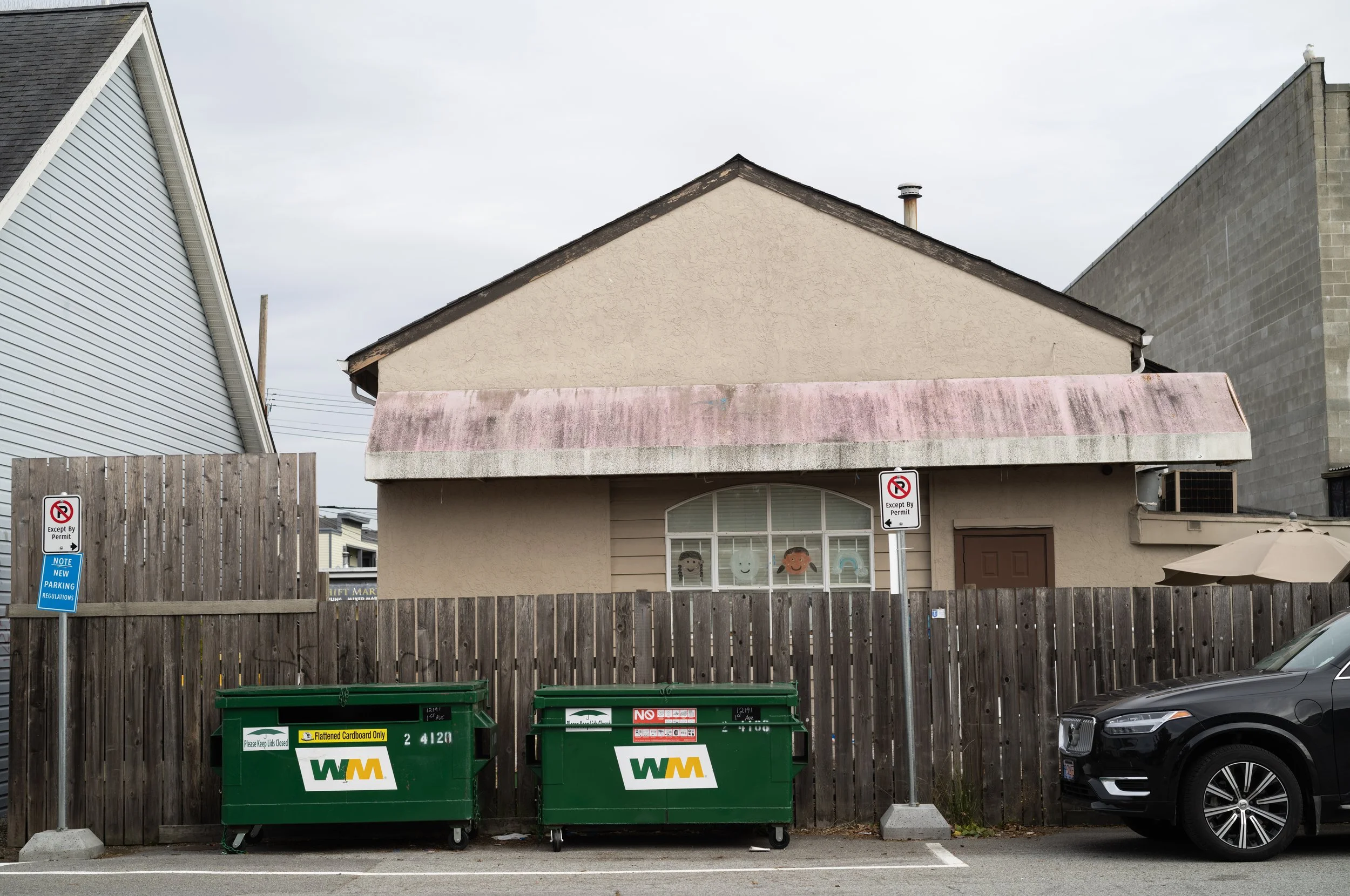
49°7'29.02" N 123°11'0.82" W
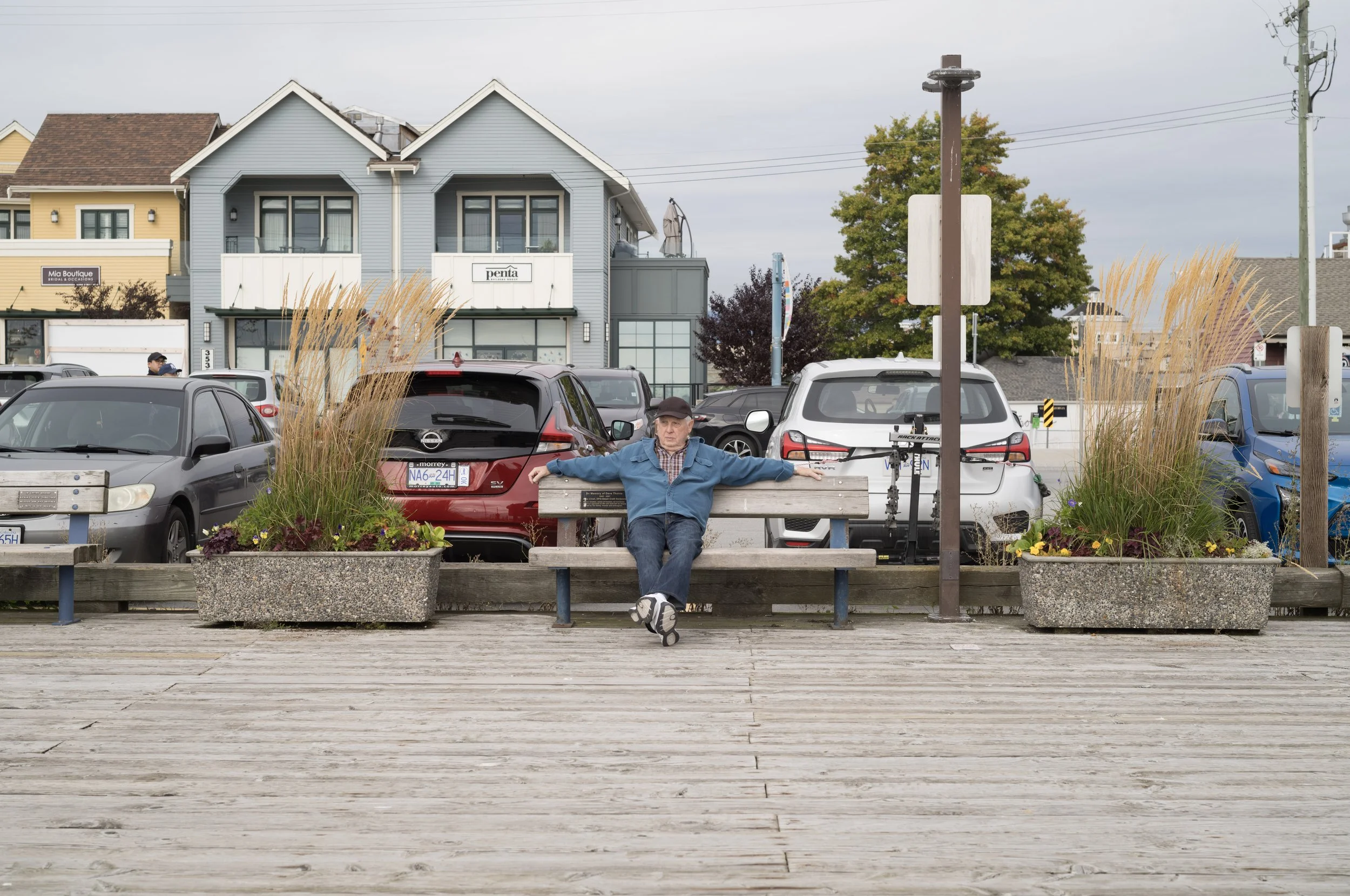
49°7'26.3" N 123°11'7" W
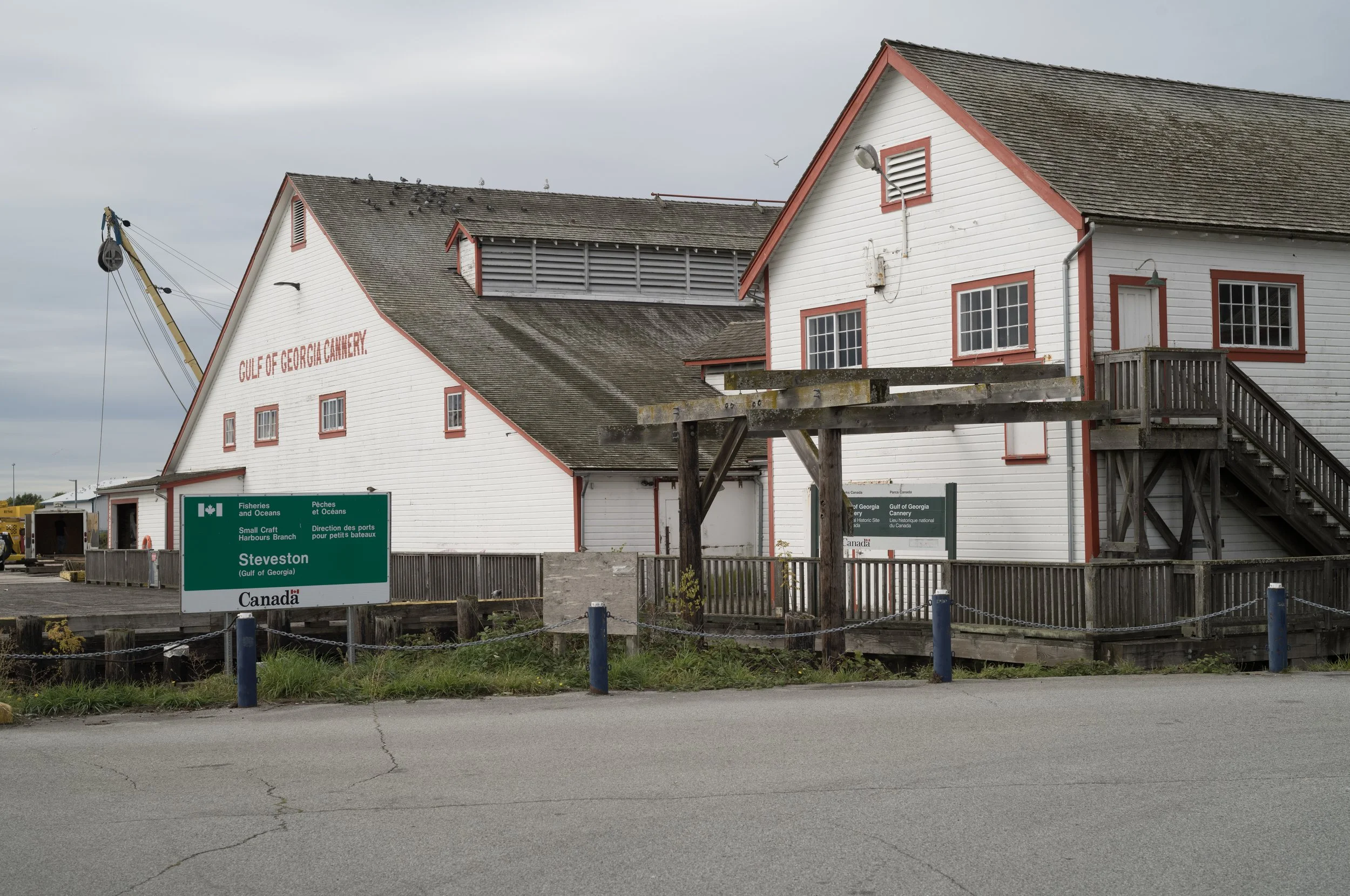
49°7'27.21" N 123°11'11.01" W
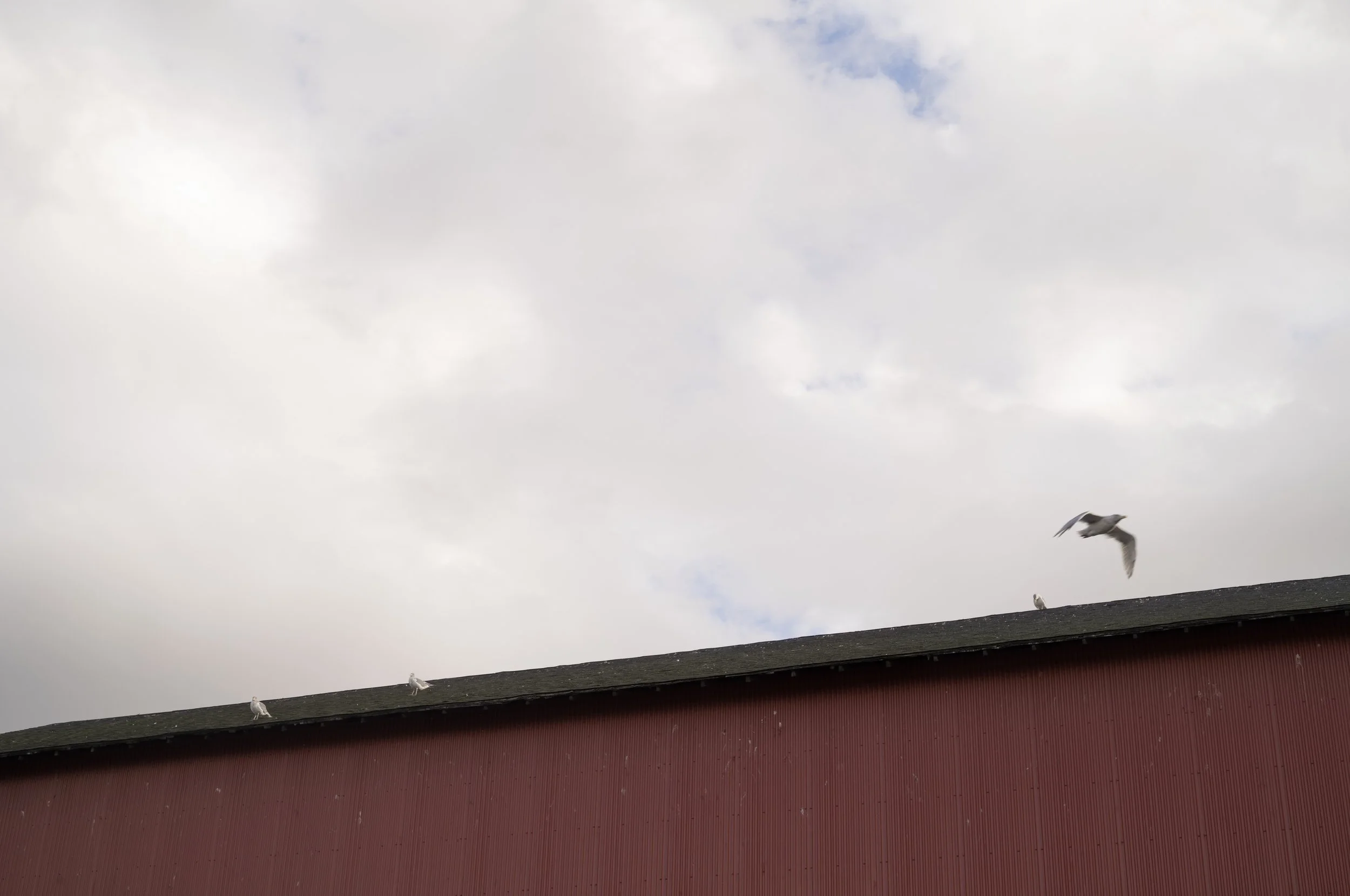
49°17'26.53" N 123°8'0.78" W
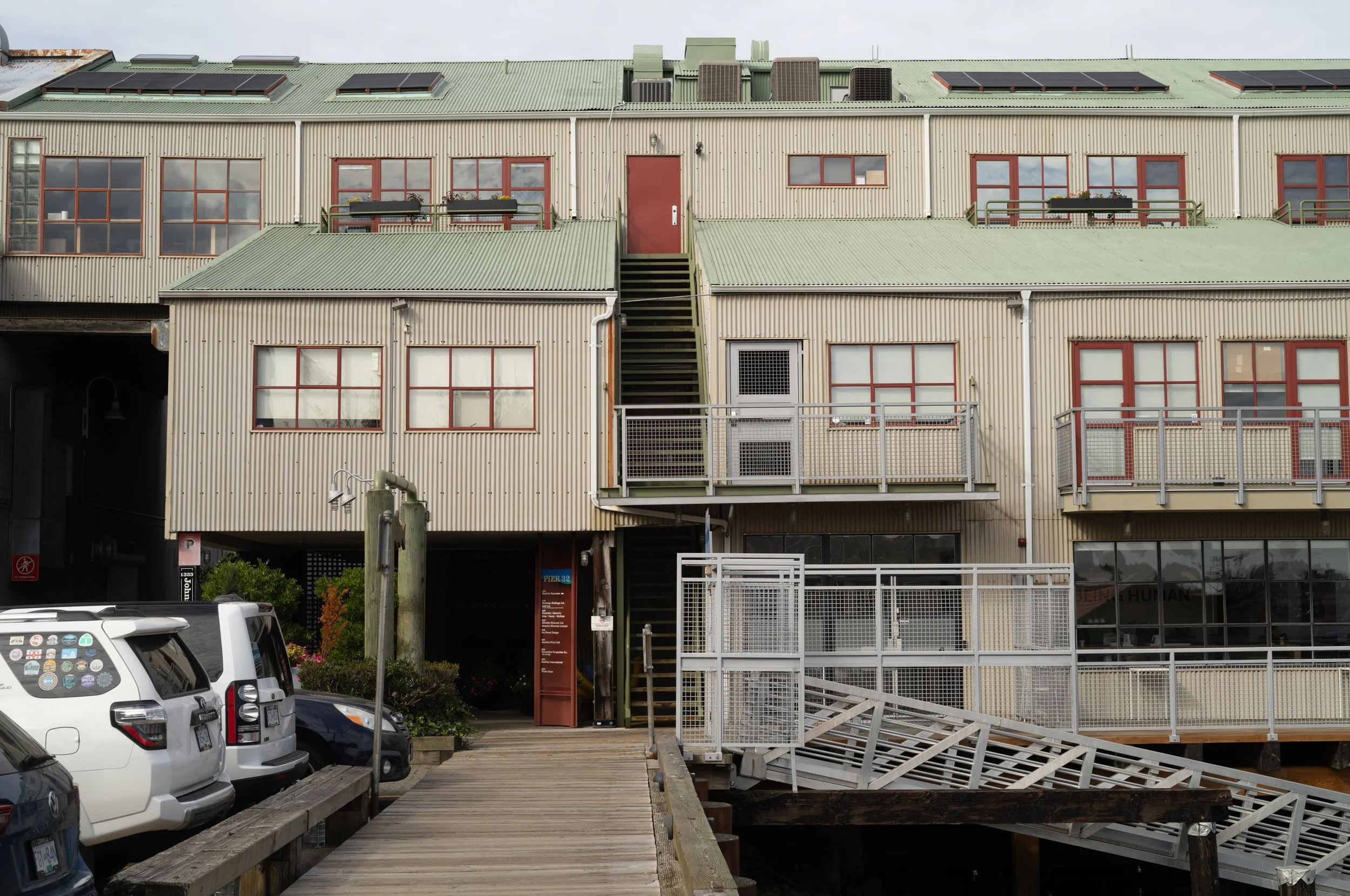
49°16'12.83" N 123°7'53.75" W

49°16'21.32" N 123°8'12.59" W
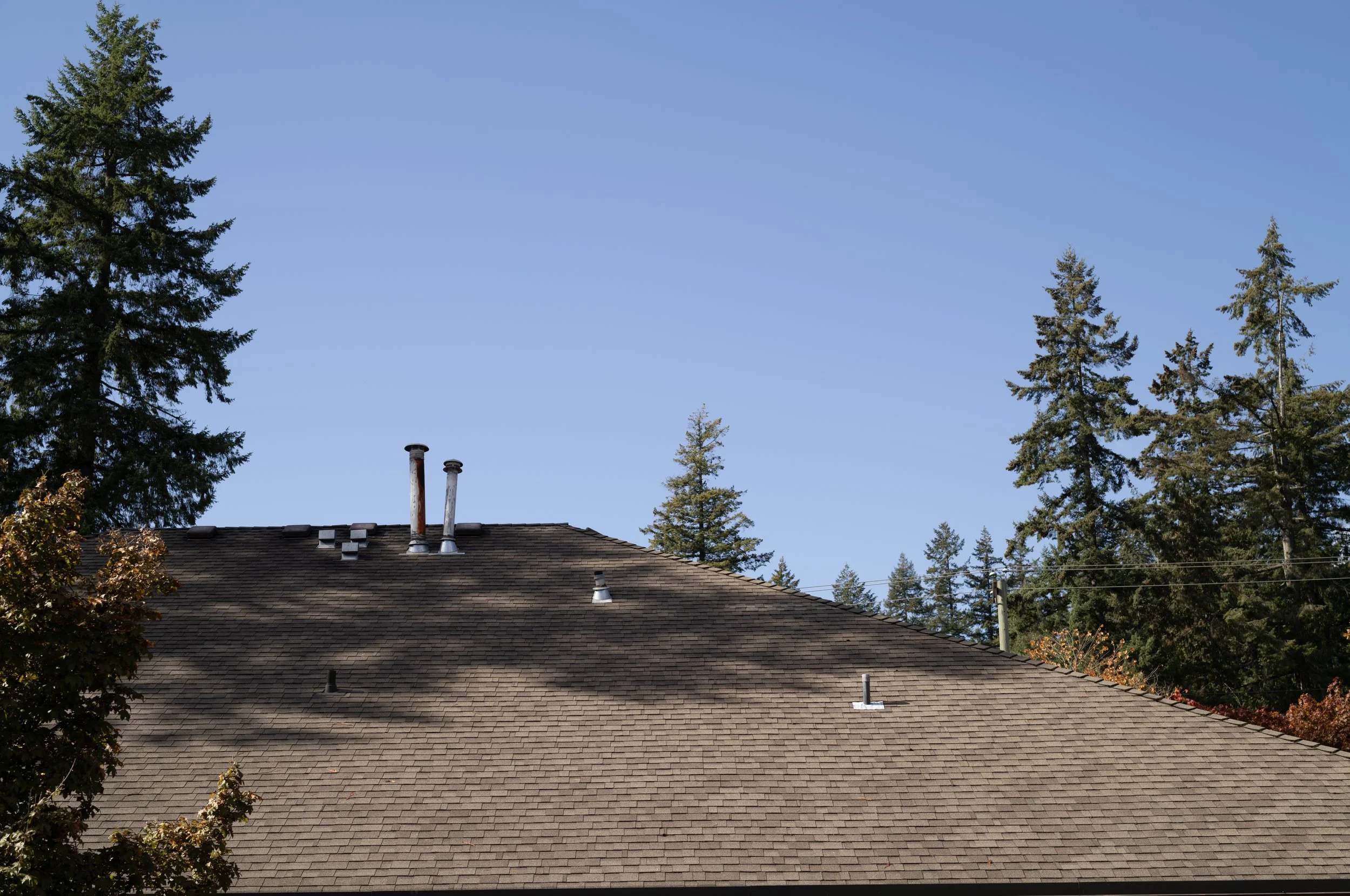
49°20'35.97" N 123°6'50.72" W
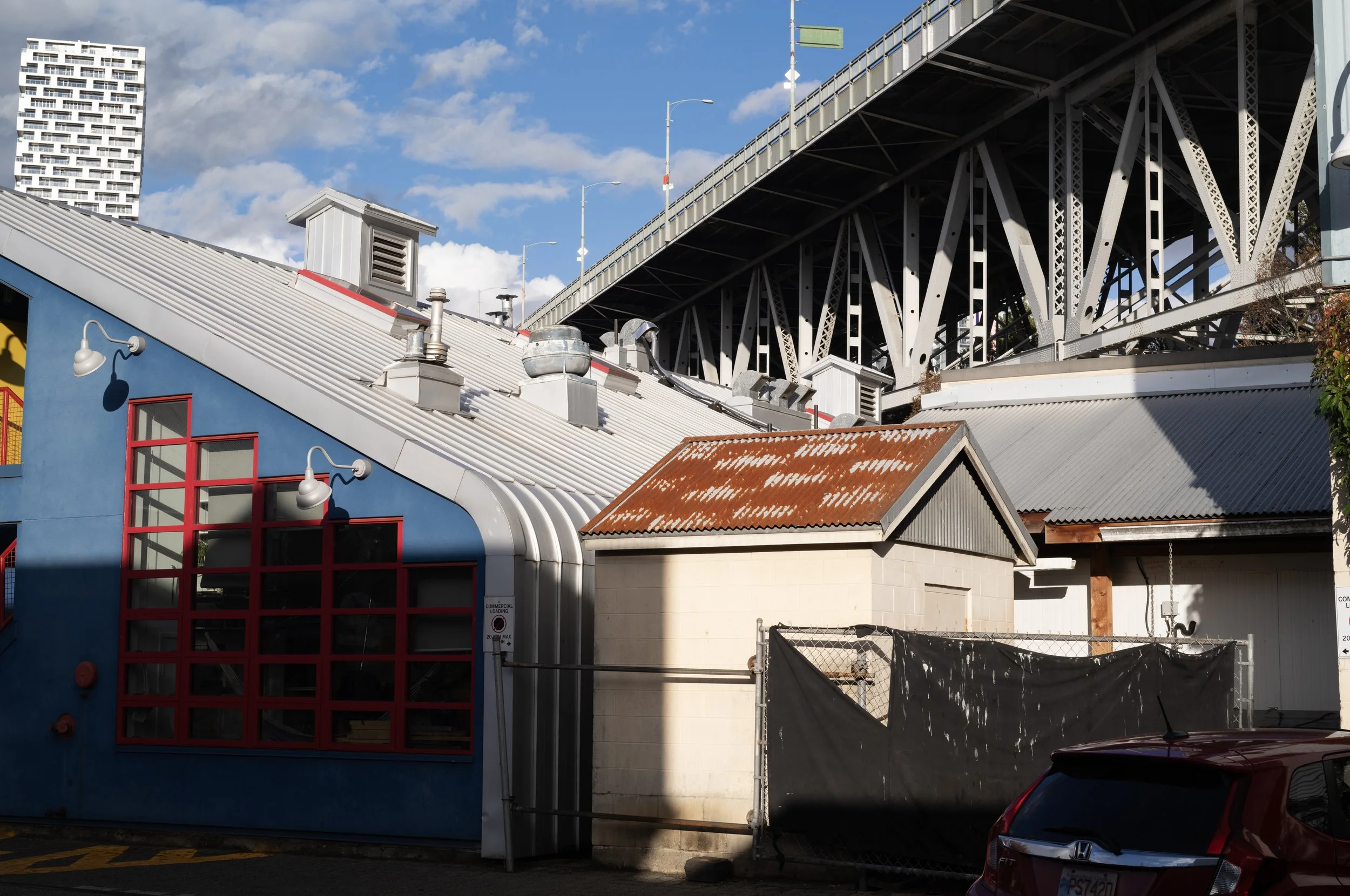
49°17'26.53" N 123°8'0.78" W
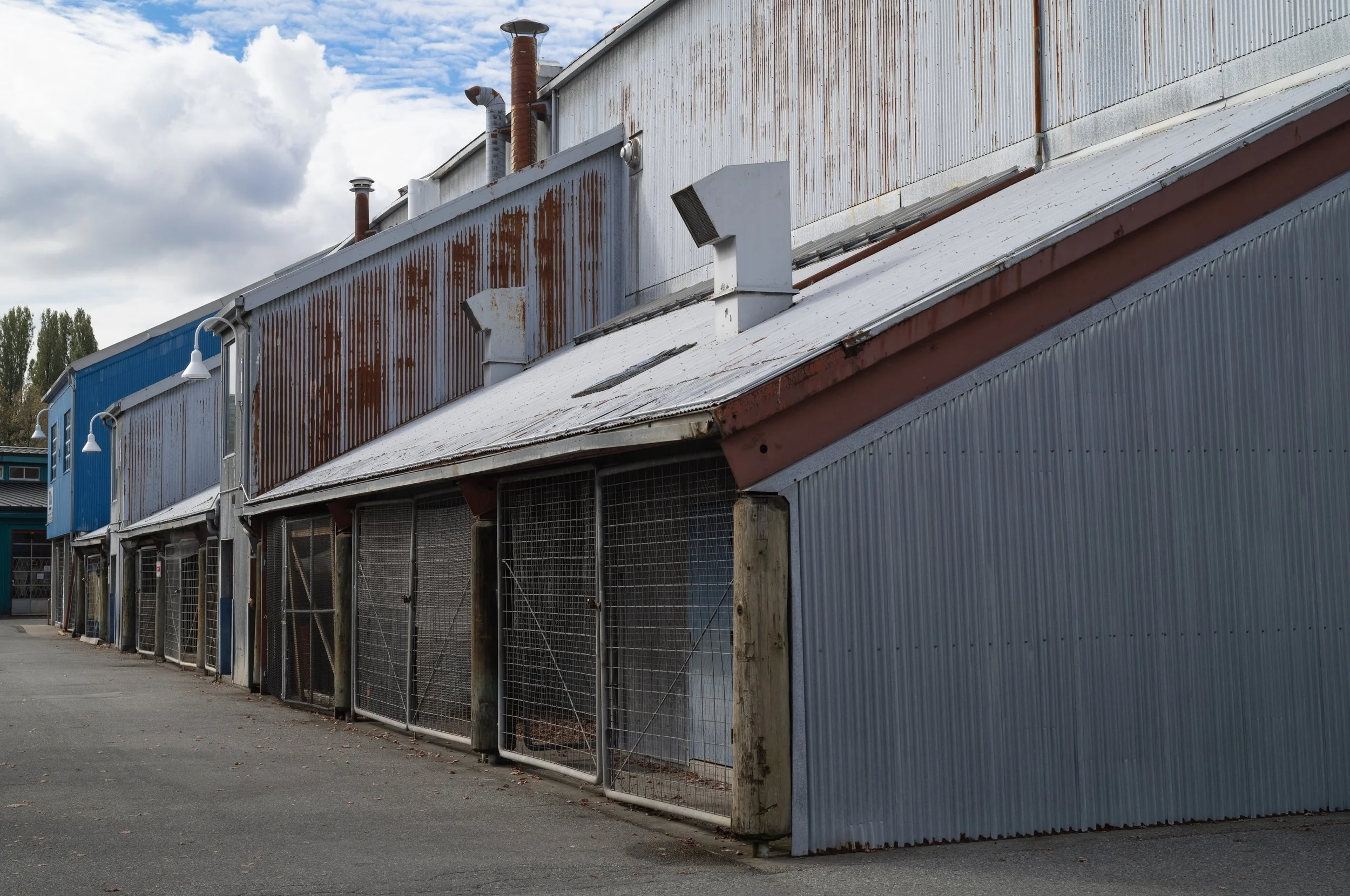
49°7'29.02" N 123°11'0.82" W
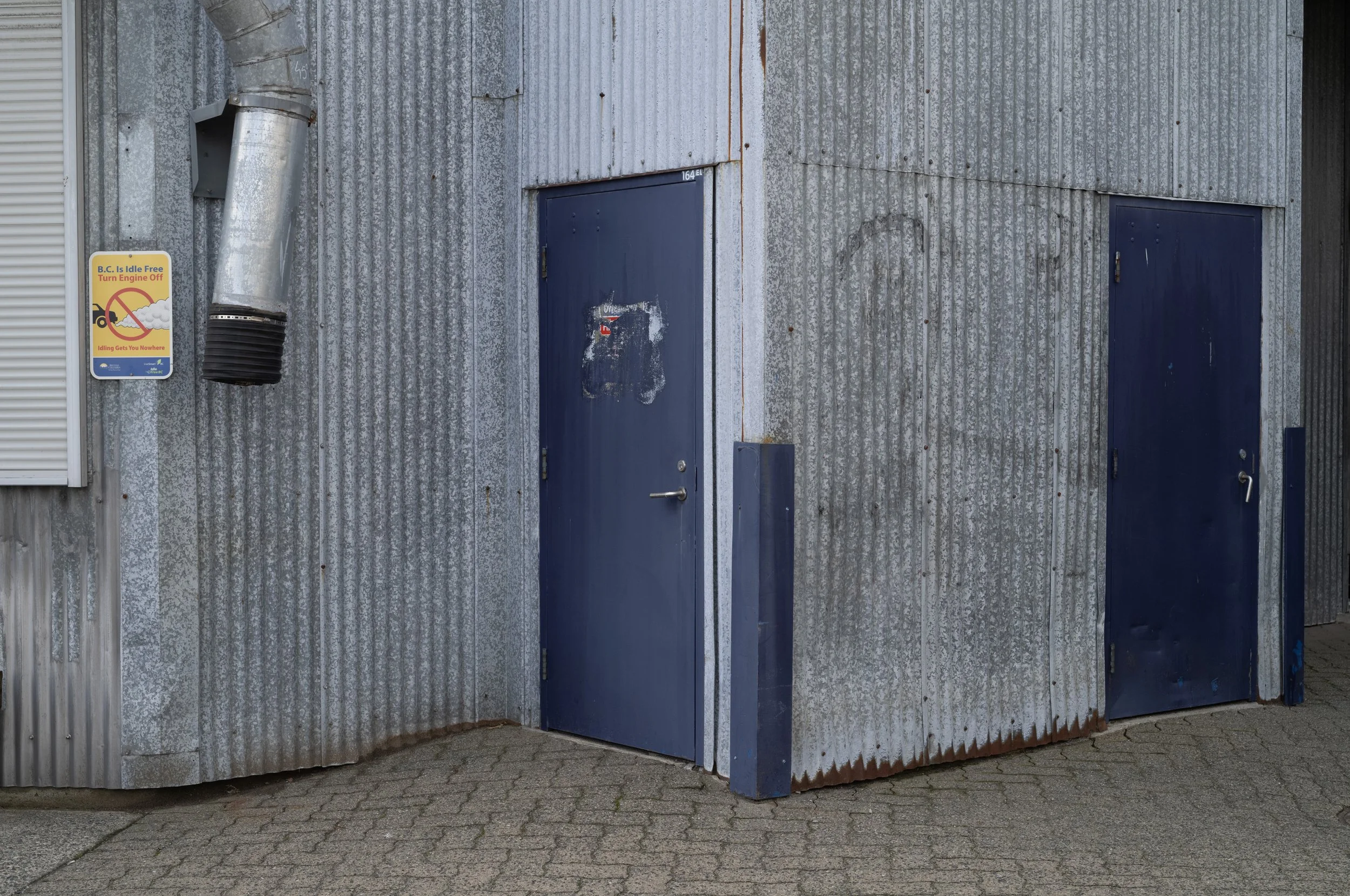
49°16'13.64" N 123°7'54.99" W
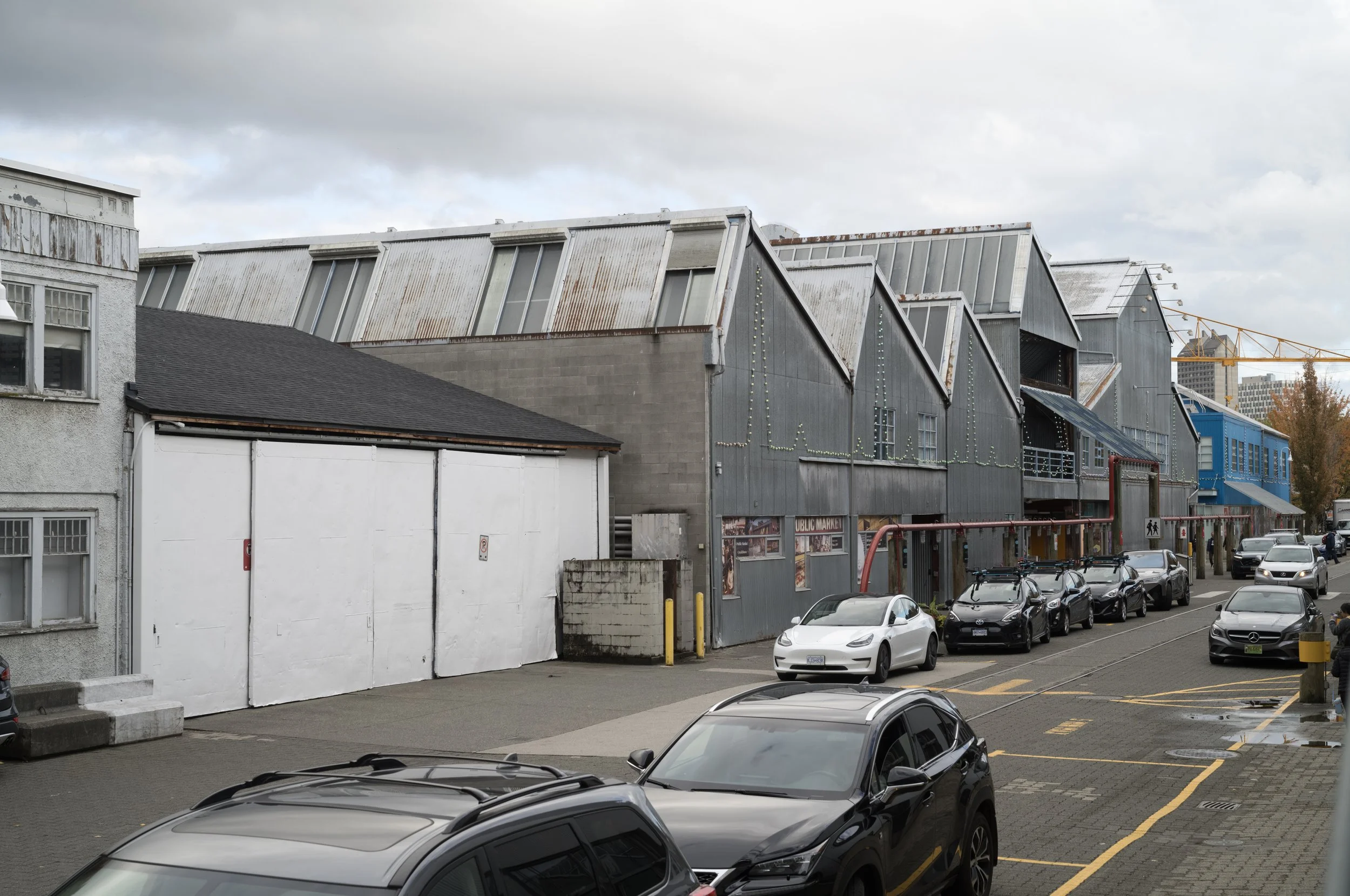
49°17'26.53" N 123°8'0.78" W
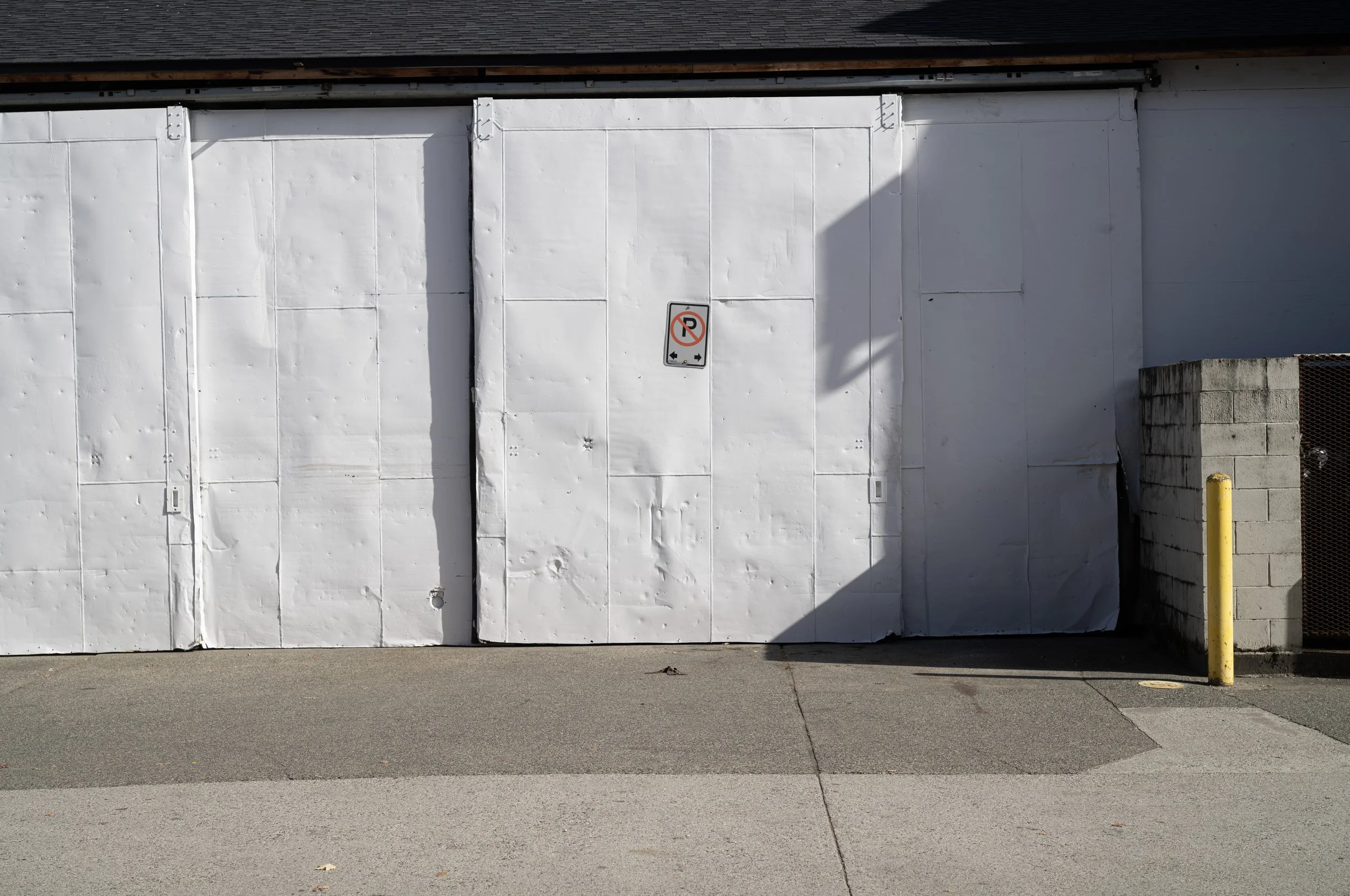
49°16'14.21" N 123°8'0.23" W
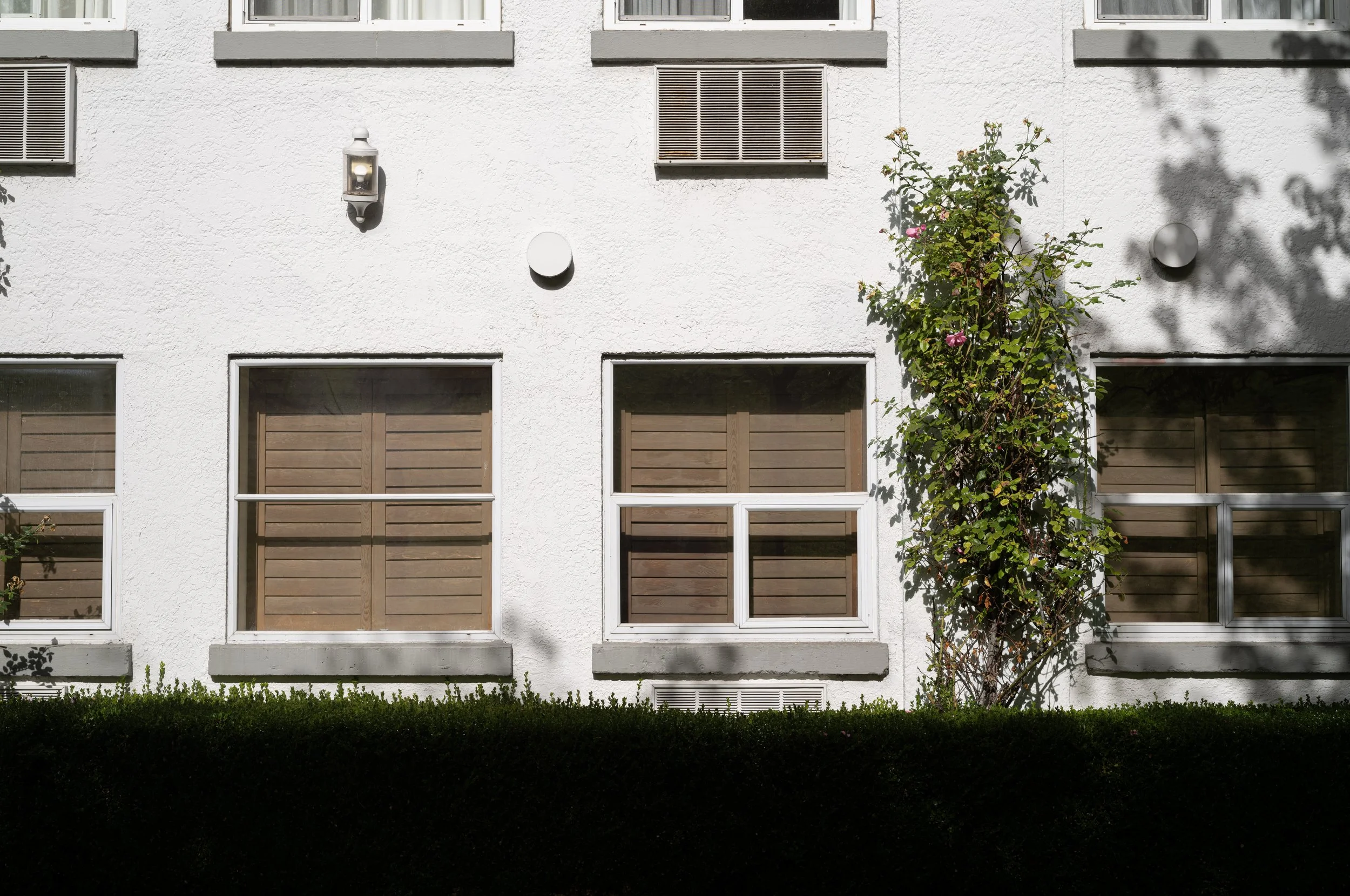
49°16'8.56" N 123°7'55.62" W
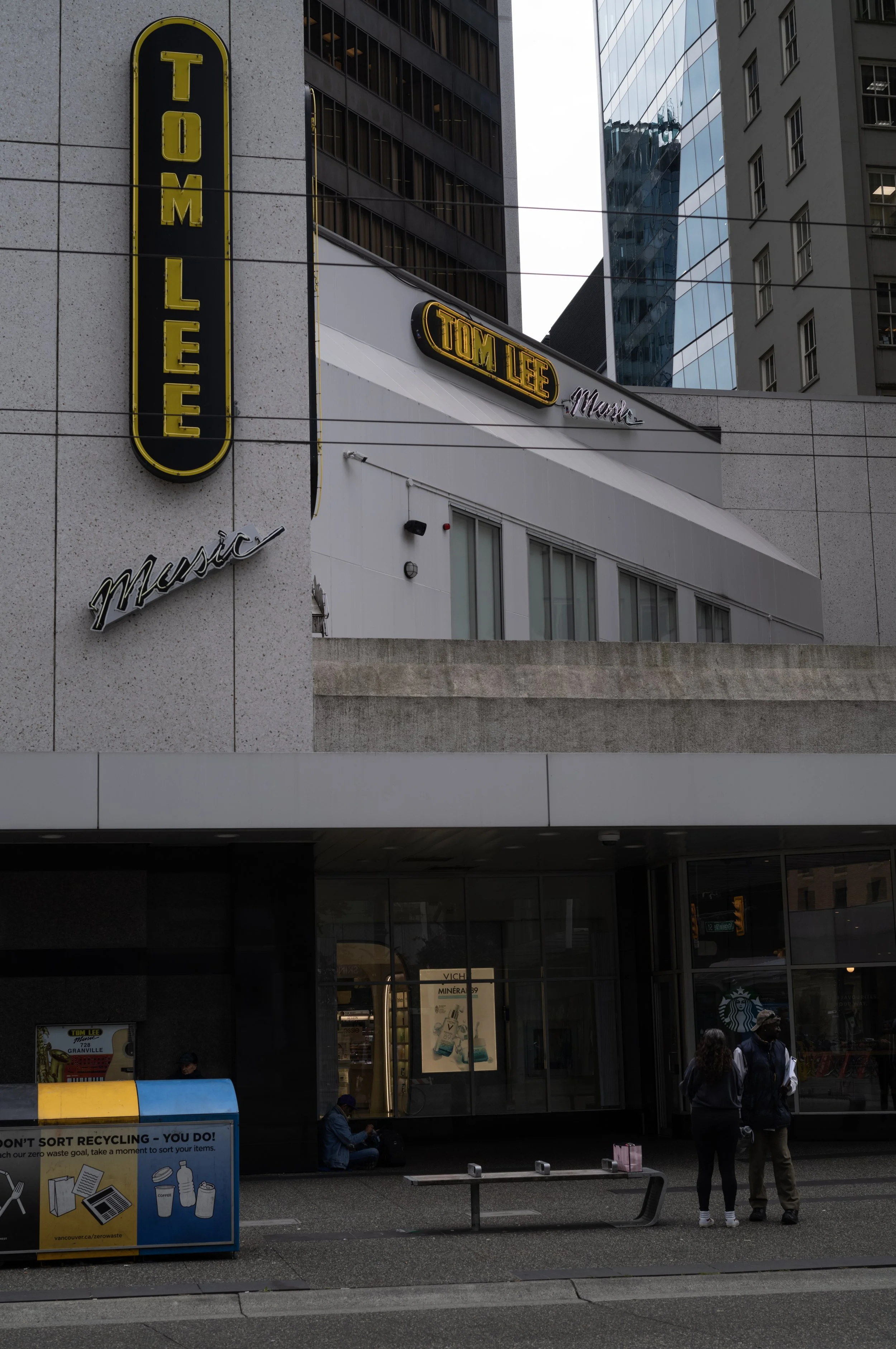
49°16'56.27" N 123°7'7.86" W
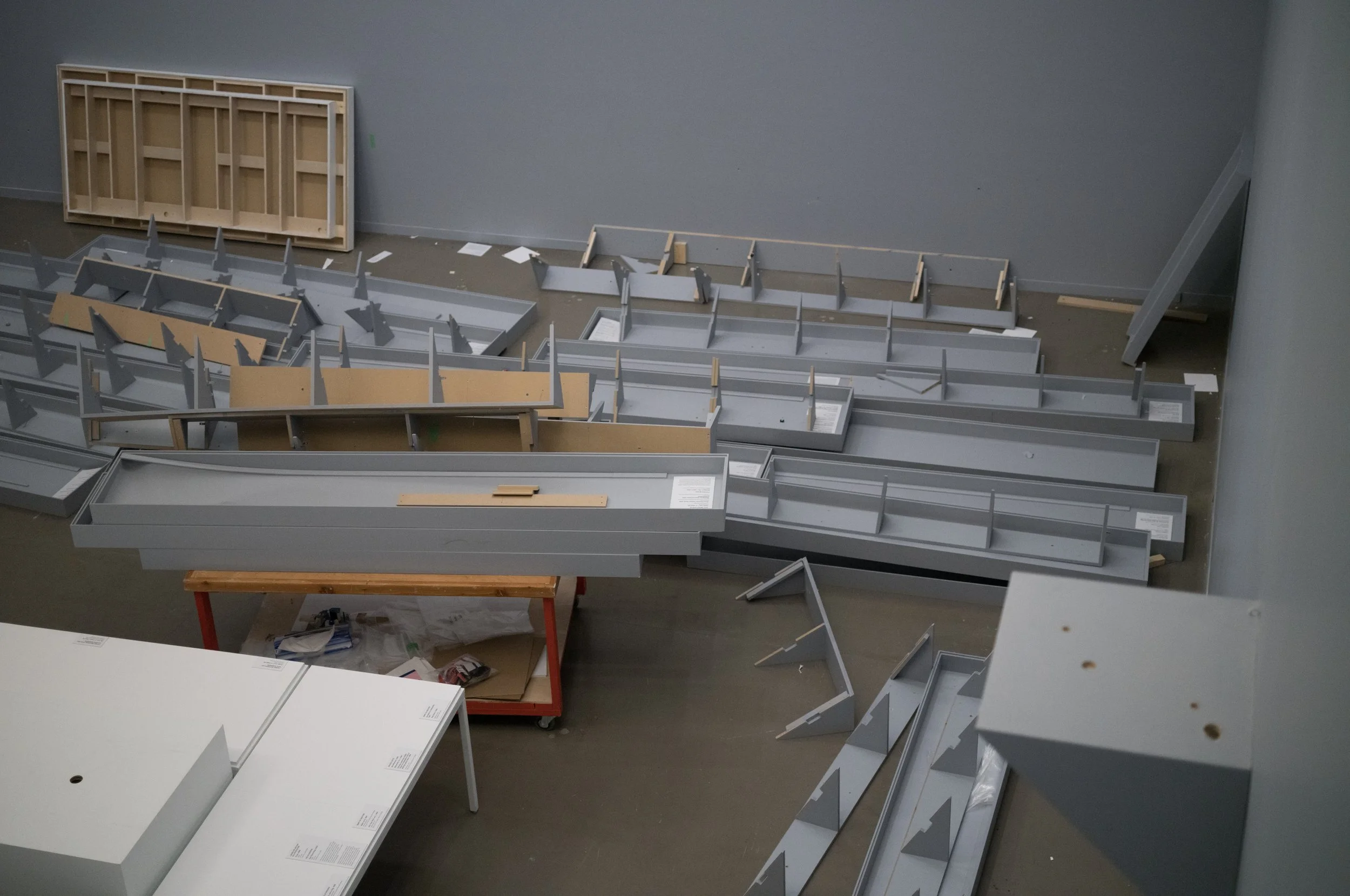
49°16'57.29" N 123°7'13.3" W
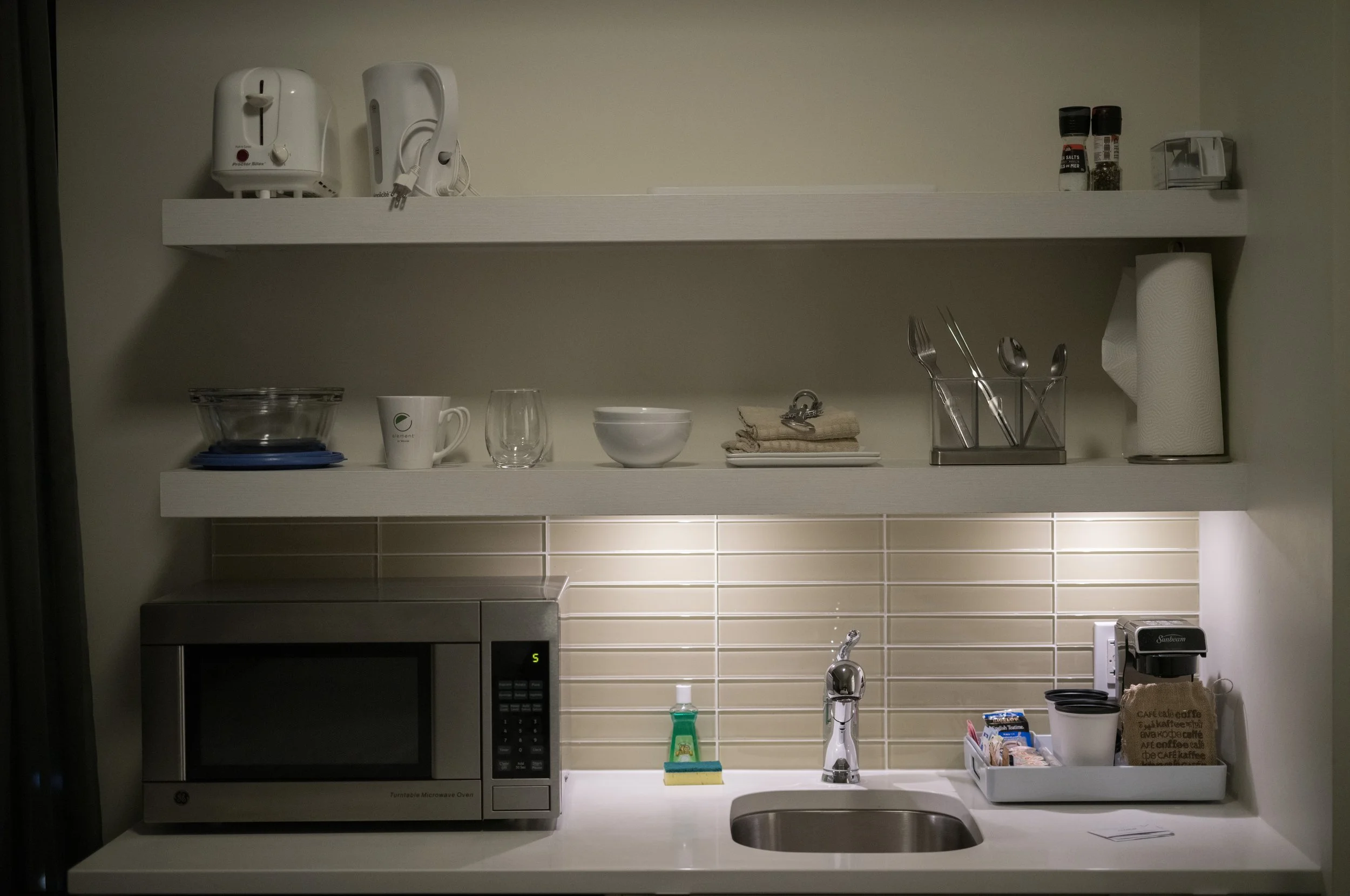
49°13'48.9" N 123°0'14.88" W
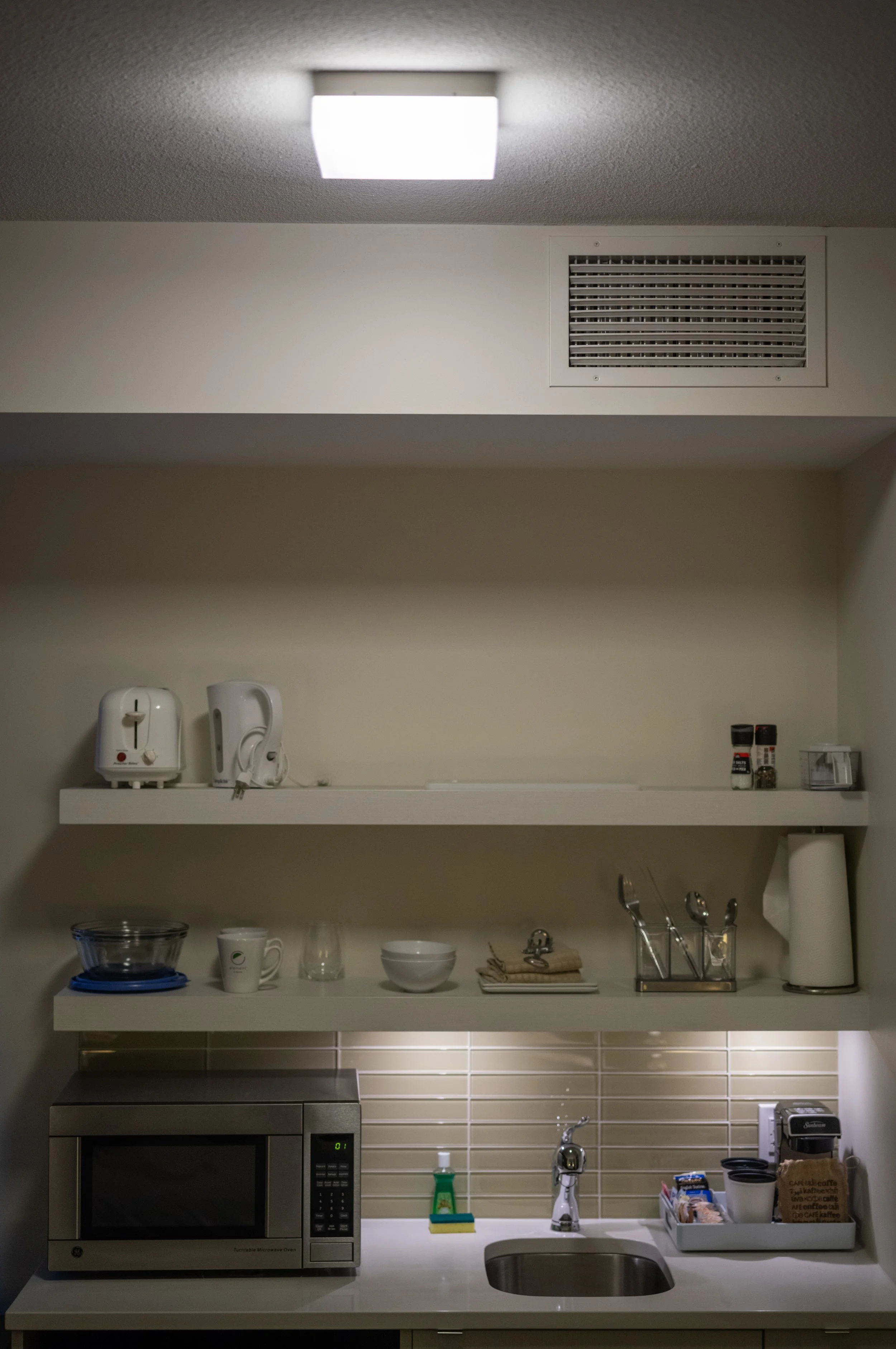
49°13'49" N 123°0'14.88" W
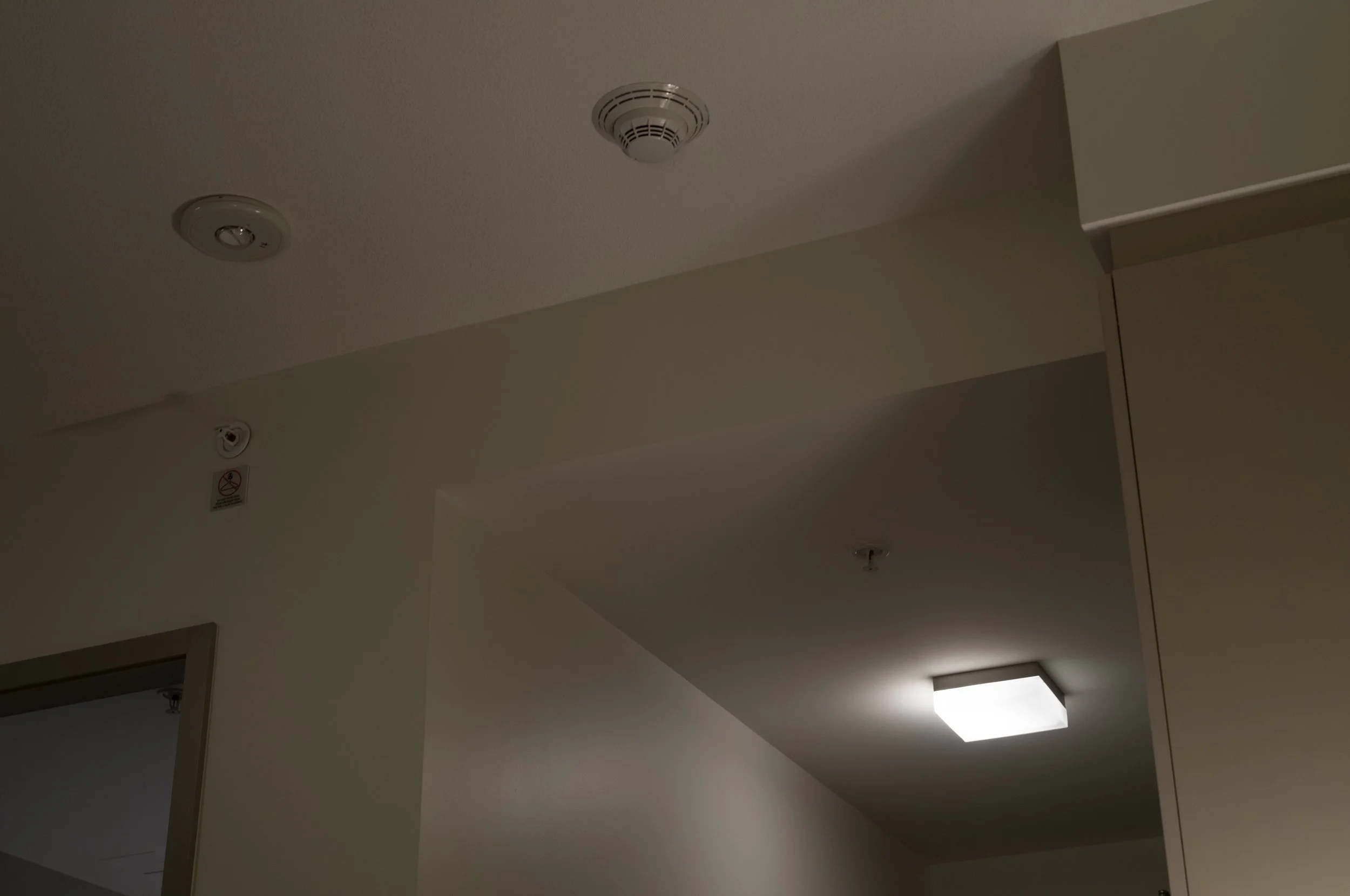
49°13'48.8" N 123°0'14.96" W
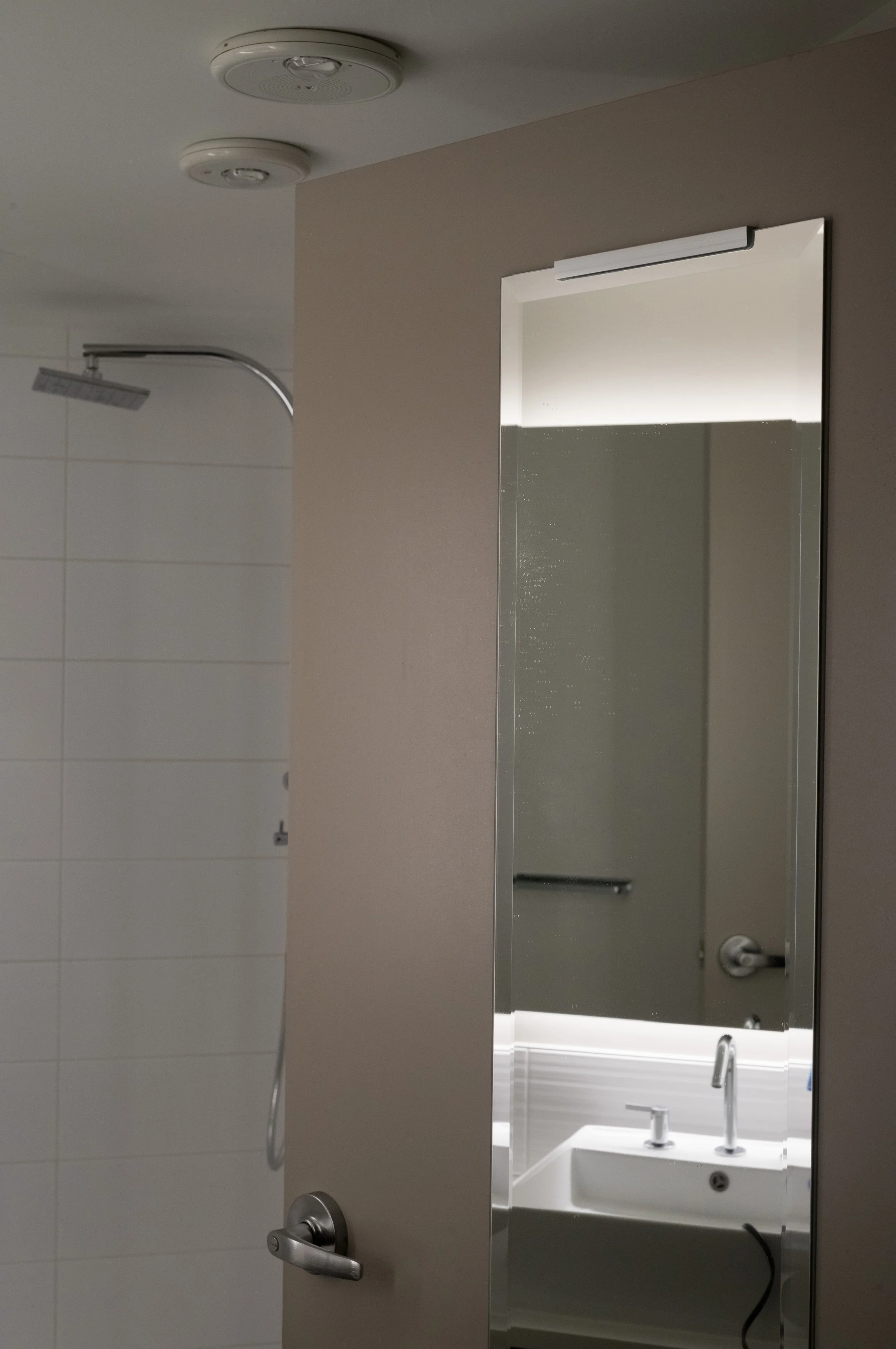
49°13'48.8" N 123°0'14.96" W
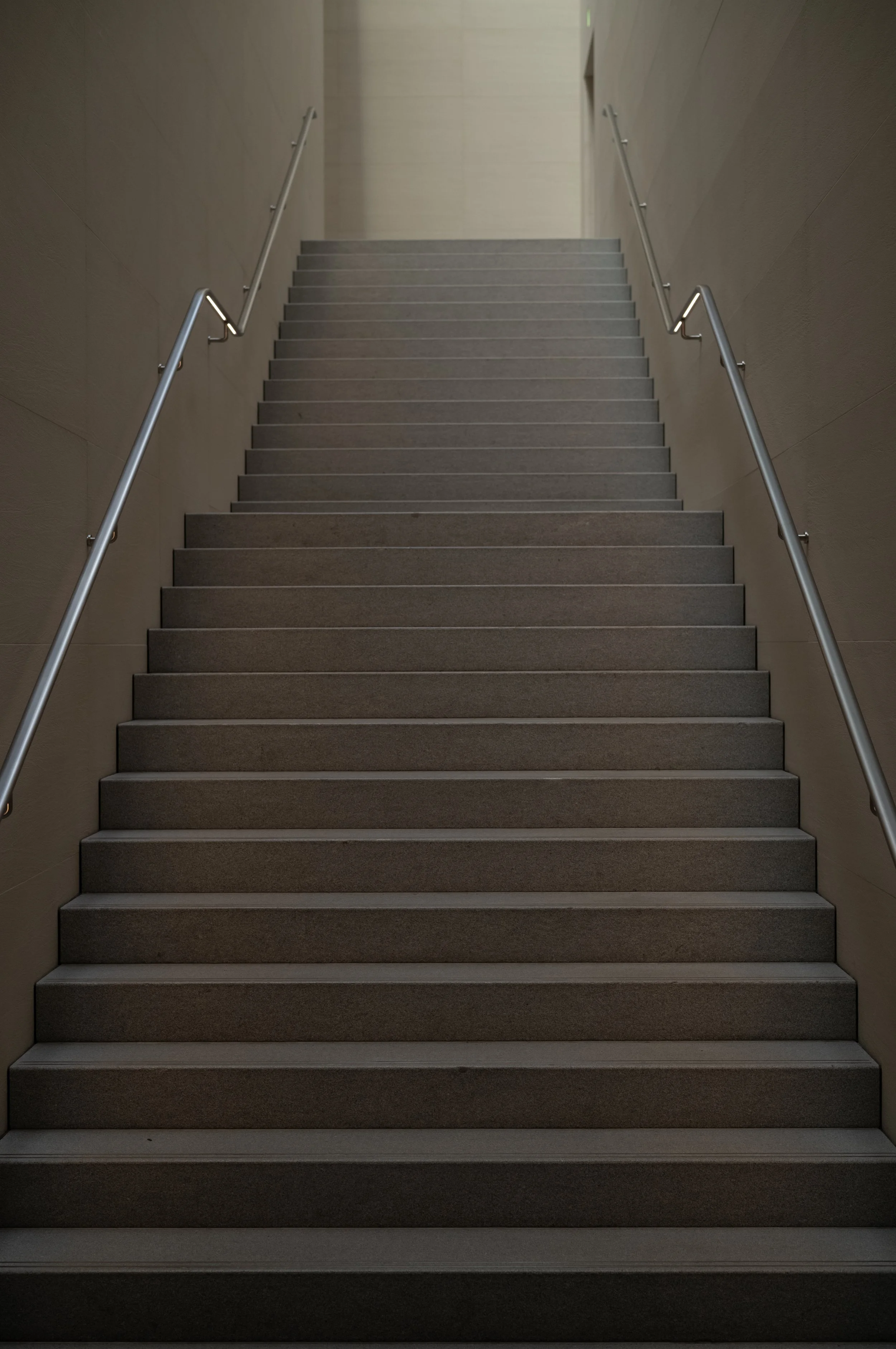
49°16'55.58" N 123°7'6.57" W
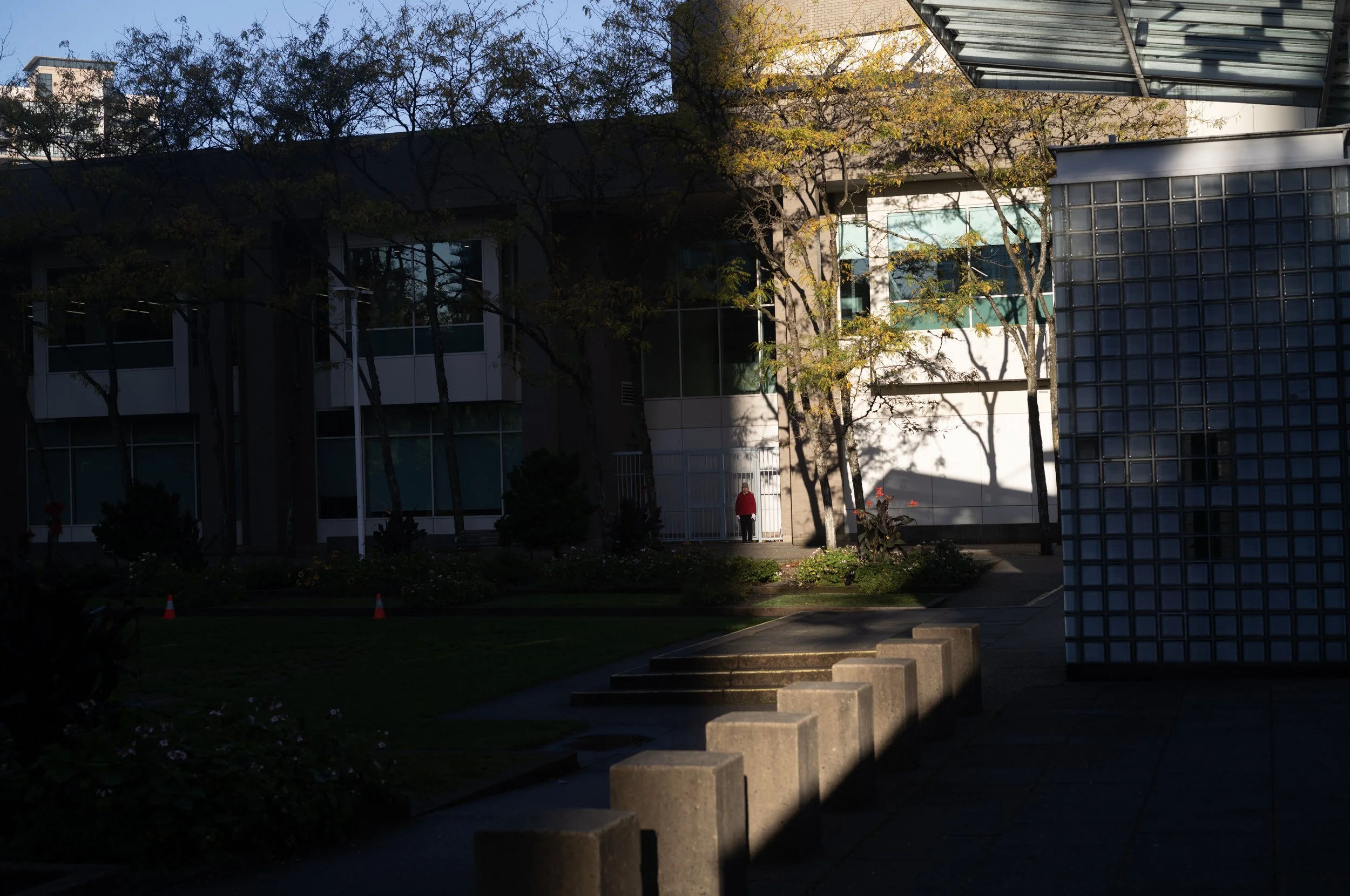
49°13'34.8" N 123°0'12.38" W
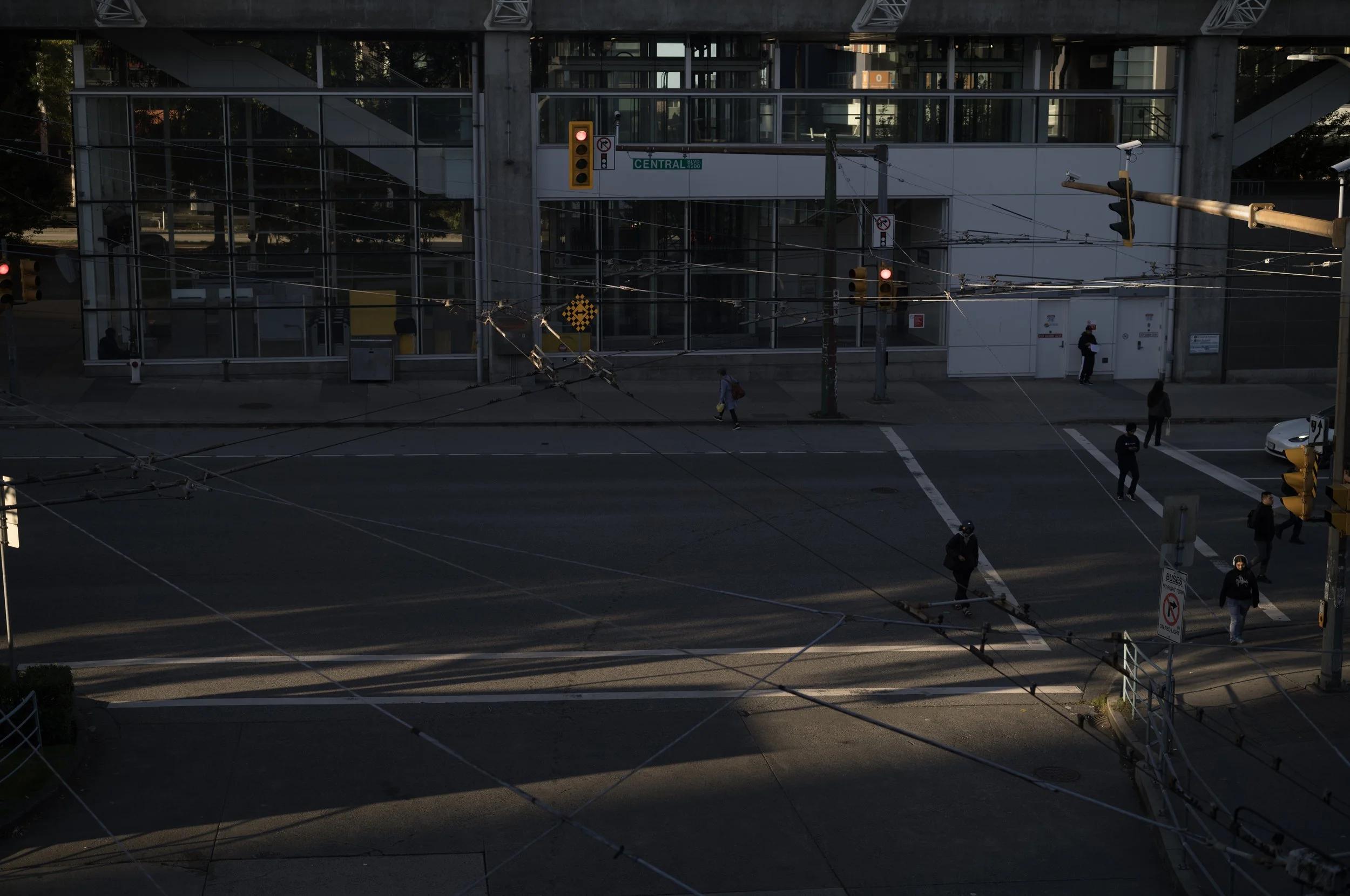
49°13'35.06" N 123°0'12.38" W
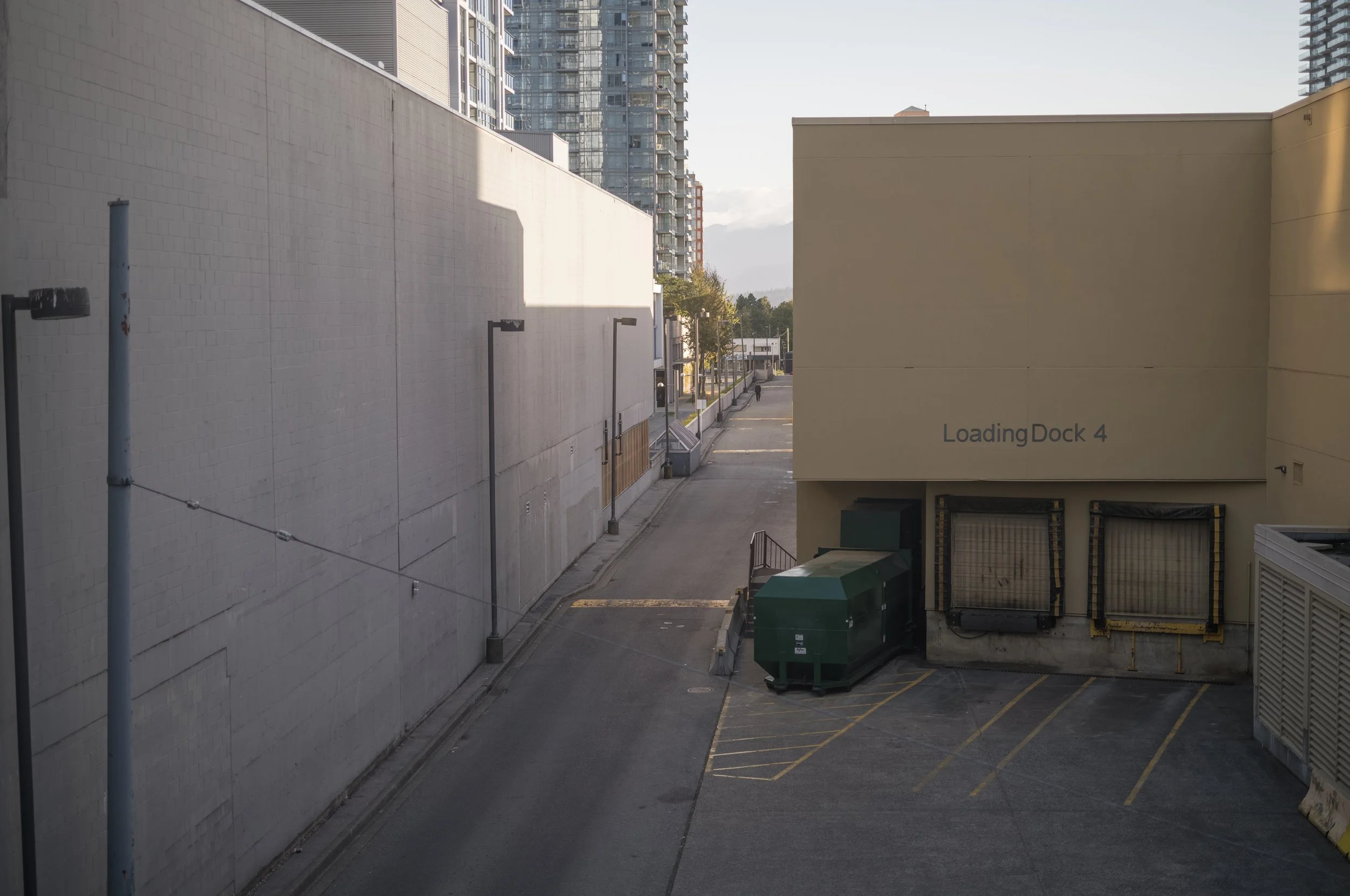
49°13'34.73" N 123°0'11.7" W
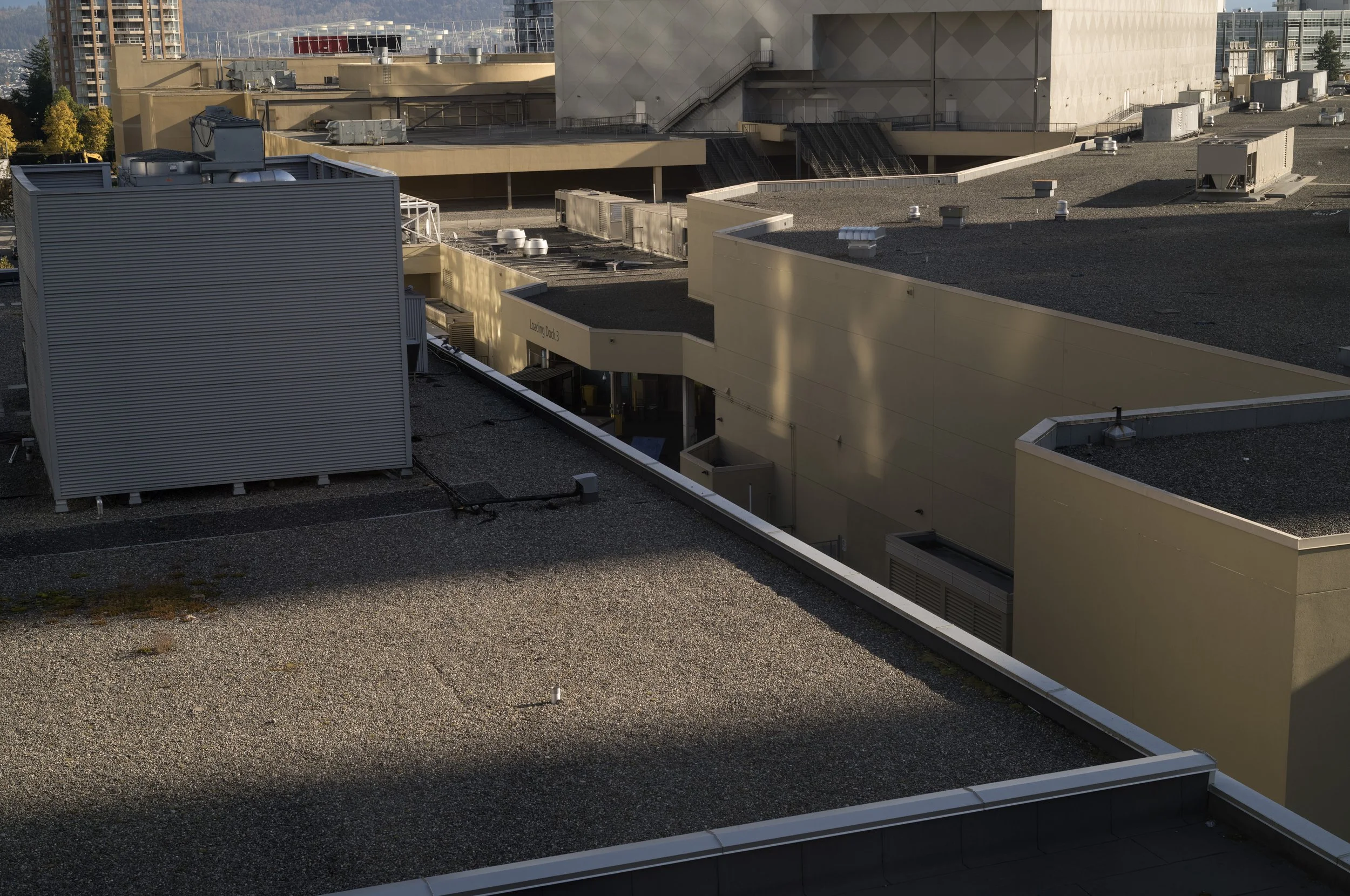
49°13'35.7" N 123°0'12.44" W
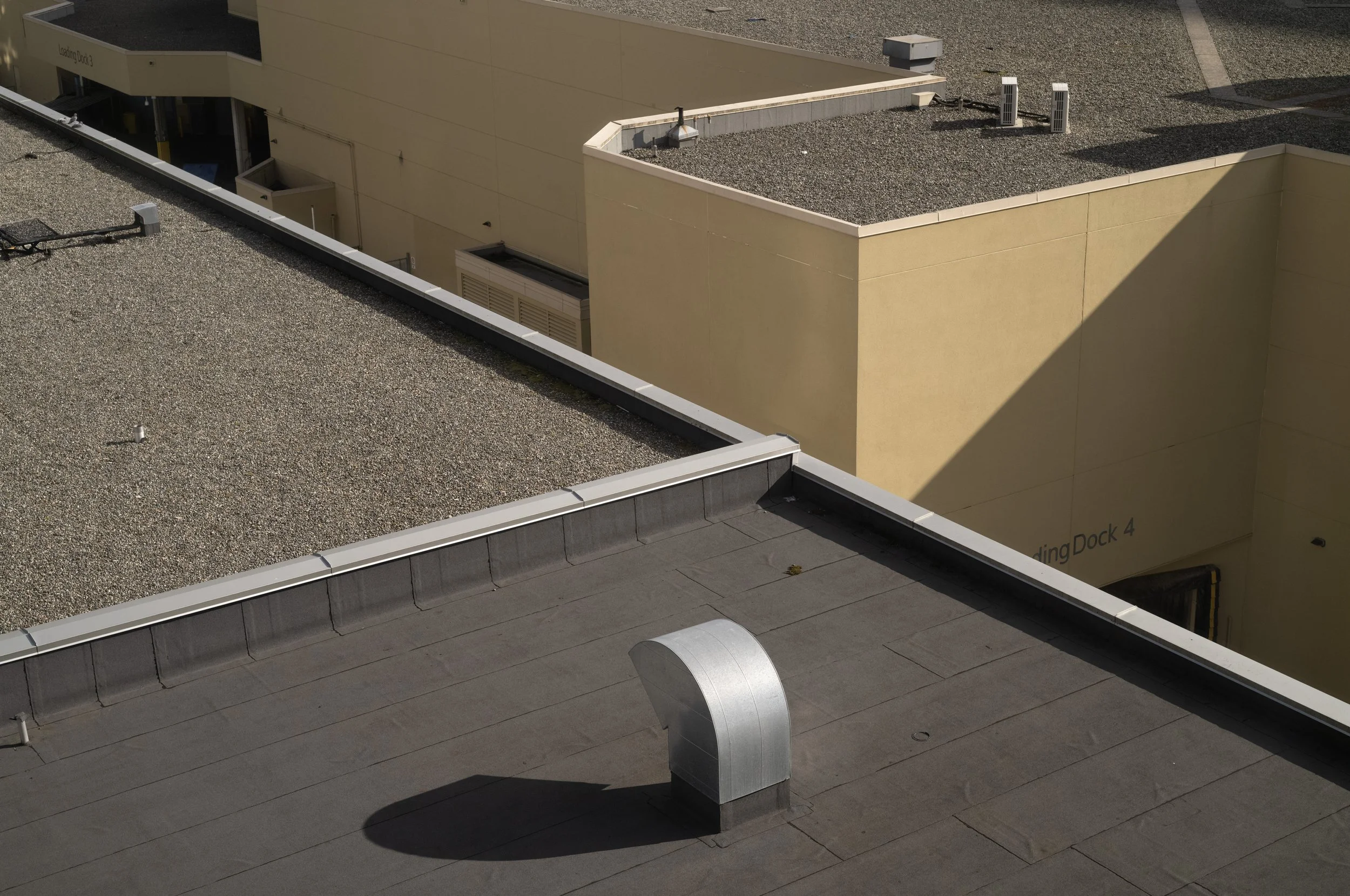
49°13'35.95" N 123°0'12.66" W
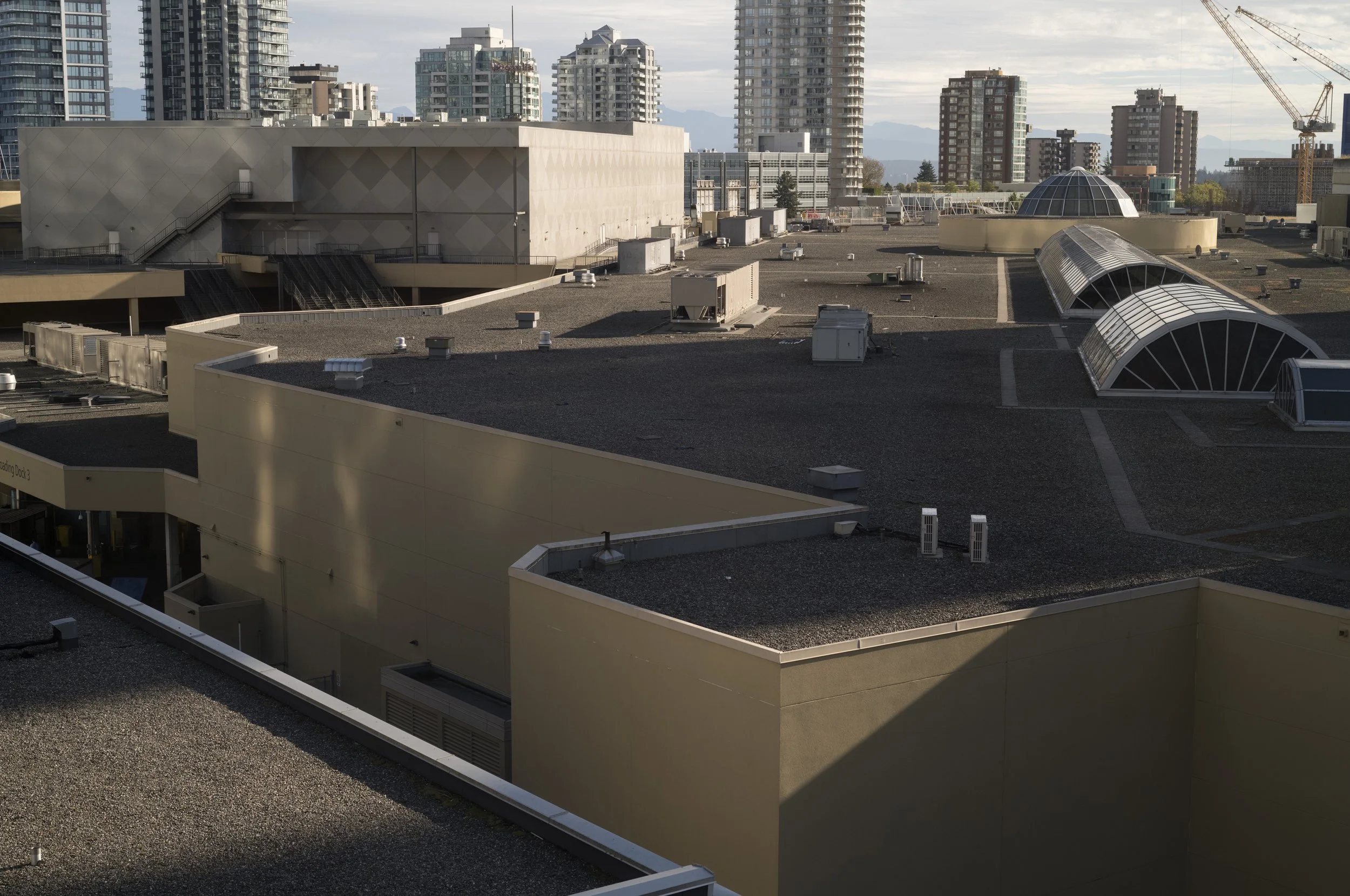
49°13'35.94" N 123°0'11.7" Wv
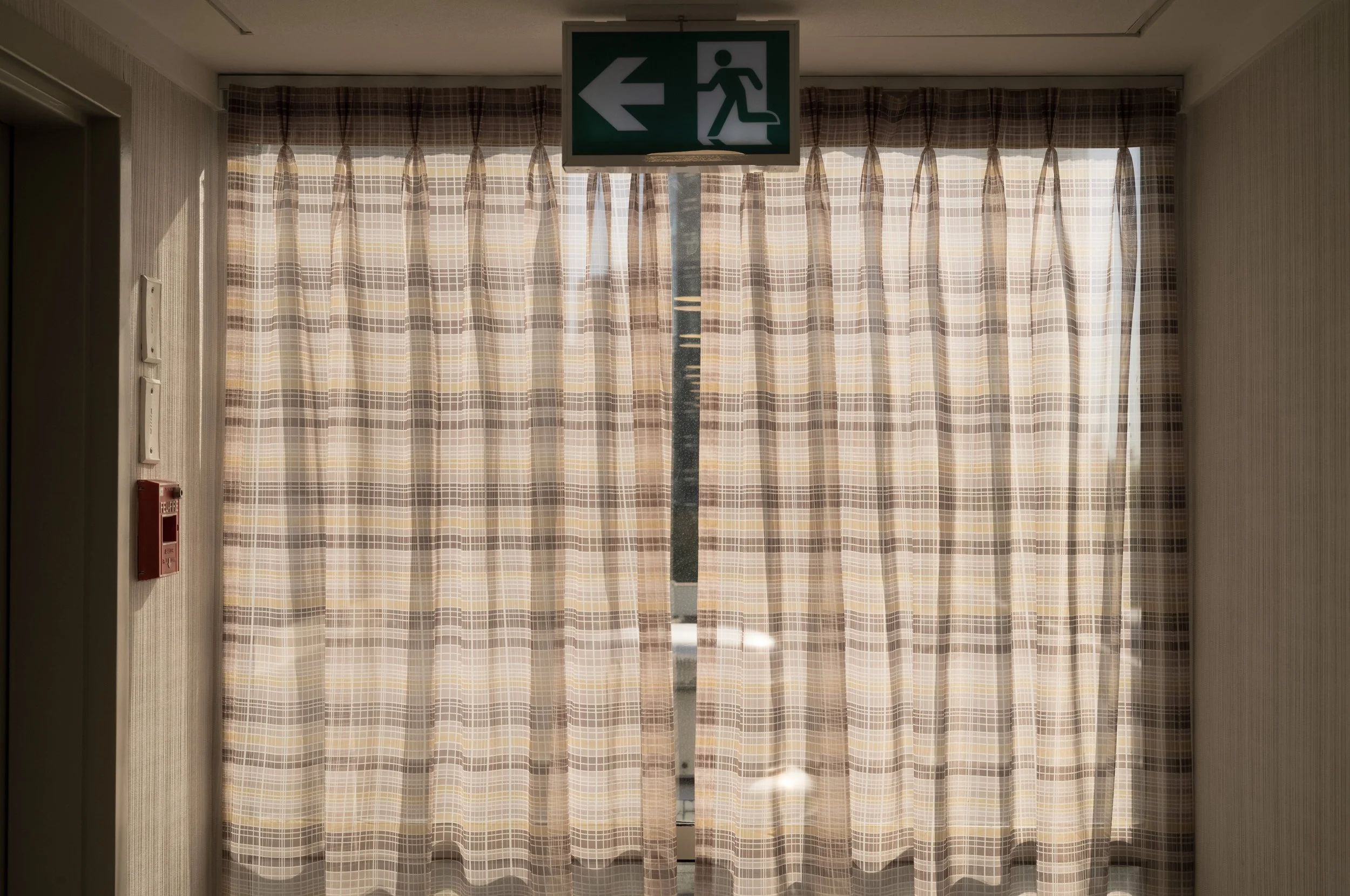
49°13'35.46" N 123°0'12.93" W
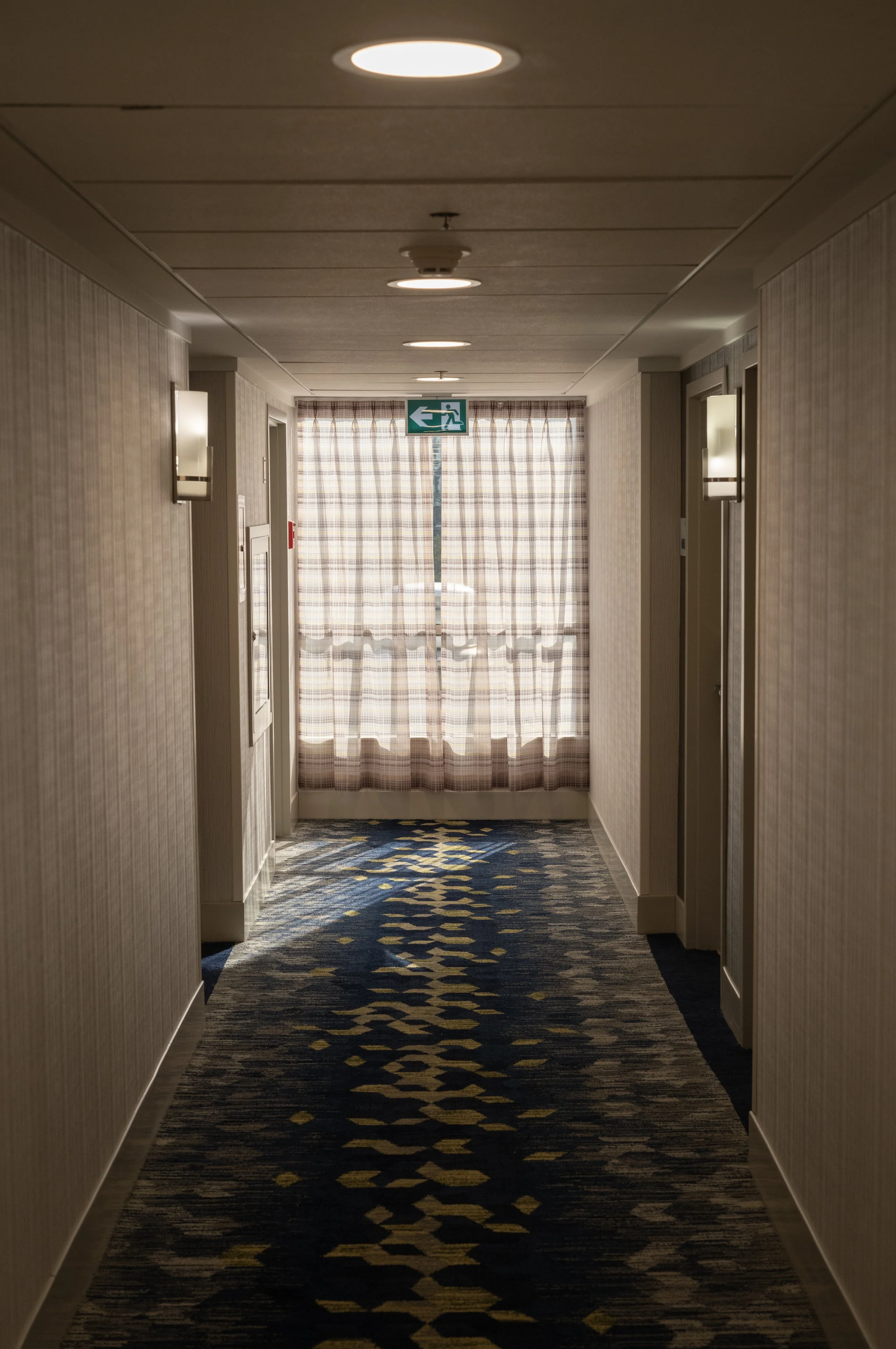
49°13'35.11" N 123°0'12.57" W

49°17'33.13" N 123°7'38.62" W
49°16'19.67" N 123°6'28.25" W
49°17'29.33" N 123°7'39.83" W

49°17'33.68" N 123°7'37.93" W
49°16'19.67" N 123°6'28.25" W
49°7'23.32" N 123°11'4.5" W

49°7'25.31" N 123°11'3.79" W

49°7'24.46" N 123°11'4.09" W

49°7'24.28" N 123°11'4.34" W
49°16'21.24" N 123°8'12.87" W
49°16'17.81" N 123°8'13.28" W
49°16'19.15" N 123°8'13.23" W

49°16'17.43" N 123°8'13.28" W

49°18'4.84" N 123°9'29.36" W
49°18'3.78" N 123°9'29.42" W

49°17'21.84" N 123°6'53.58" W

49°17'24.56" N 123°7'4.95" W

49°17'23.19" N 123°6'53.33" W
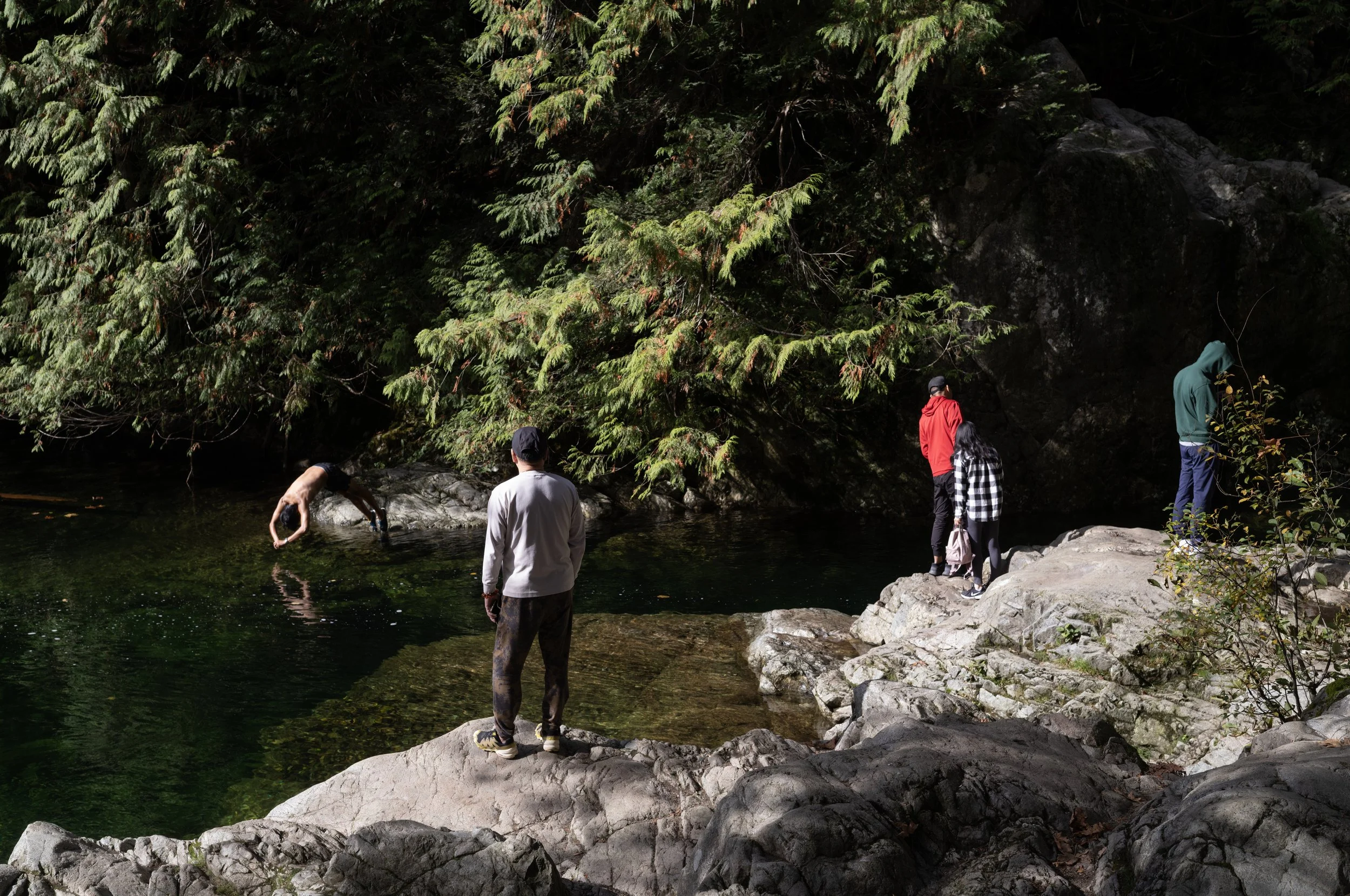

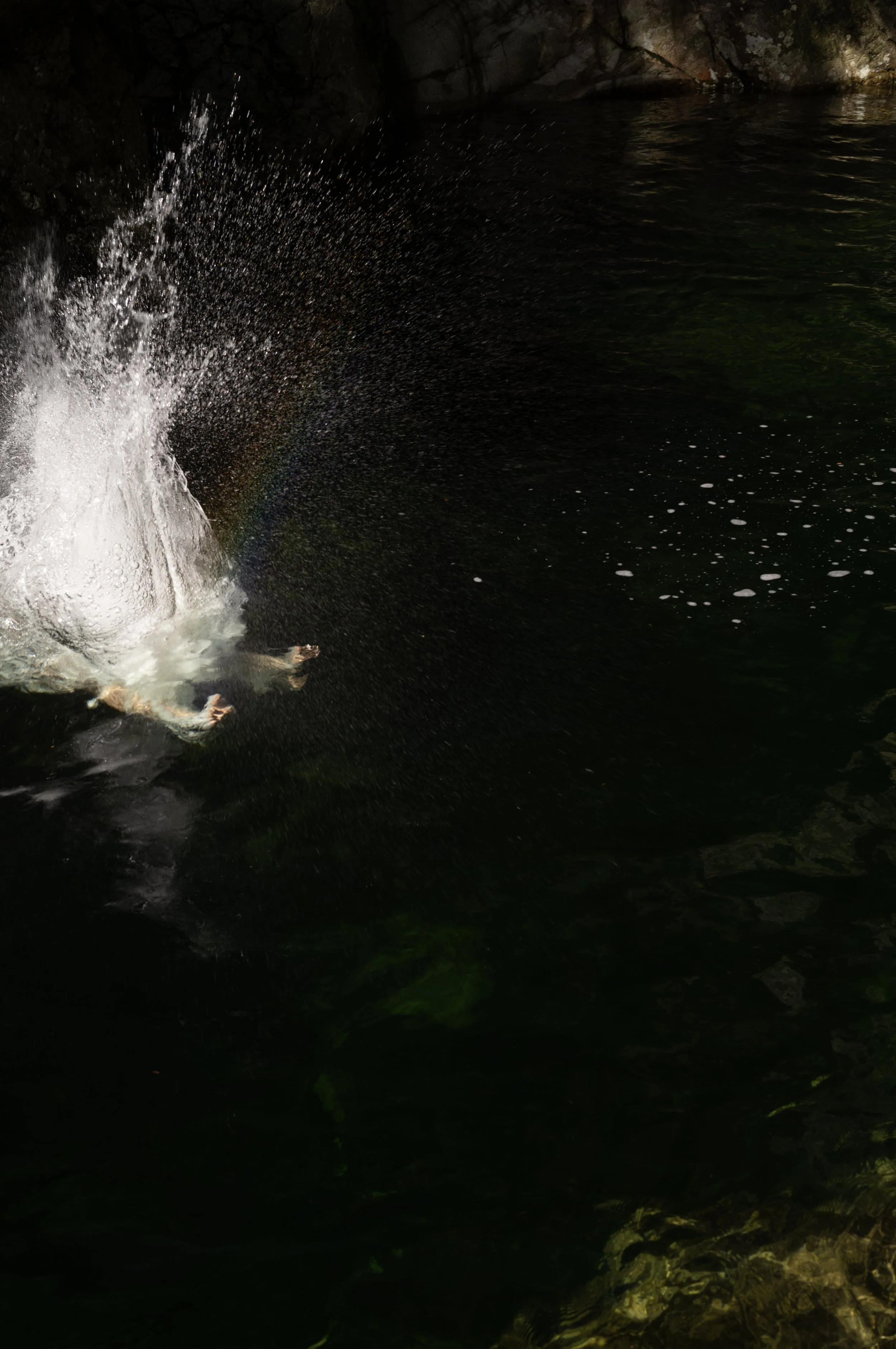

49°21'32.88" N 123°6'28.58" W
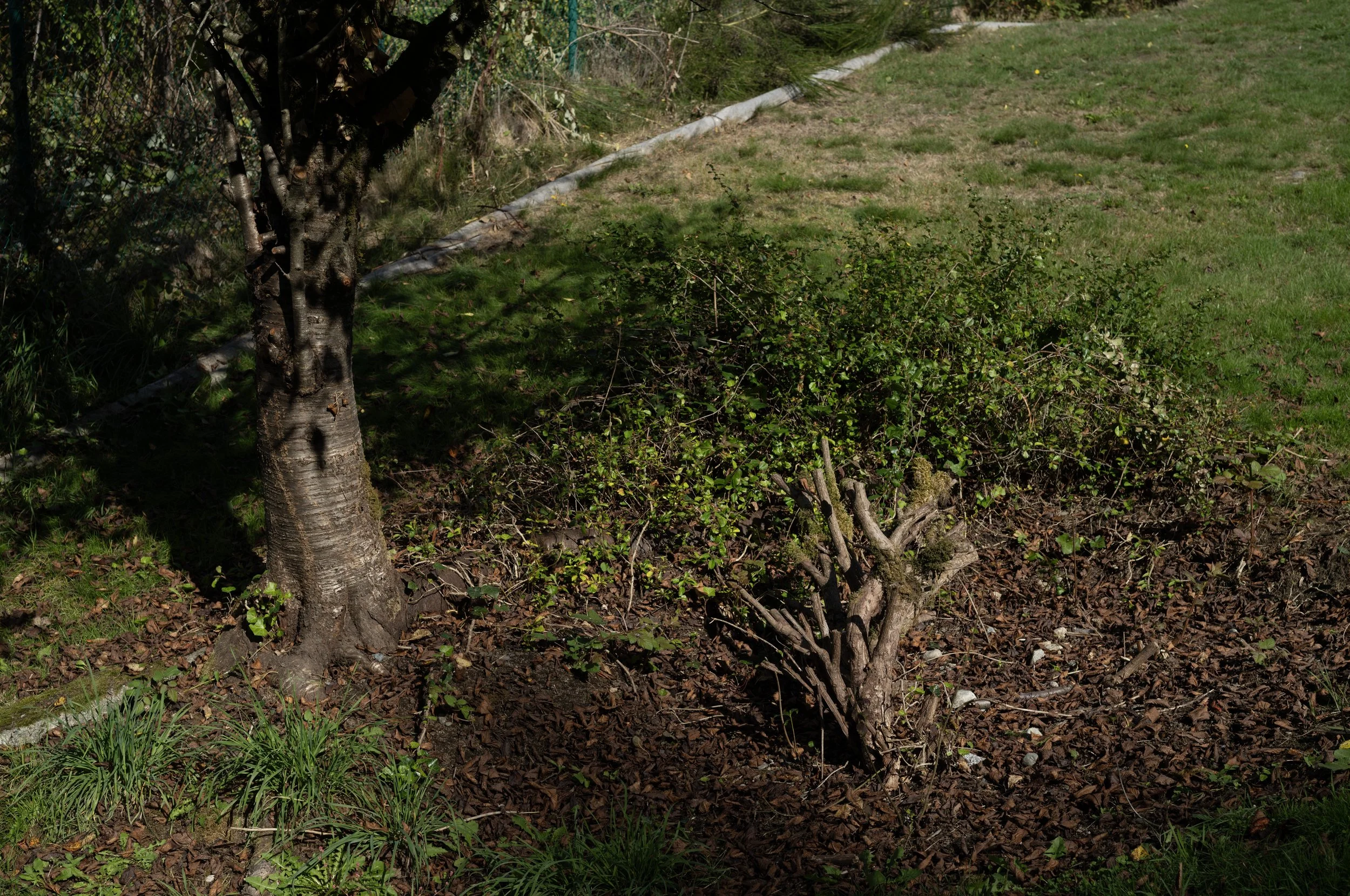
49°21'36.16" N 123°6'31.63" W
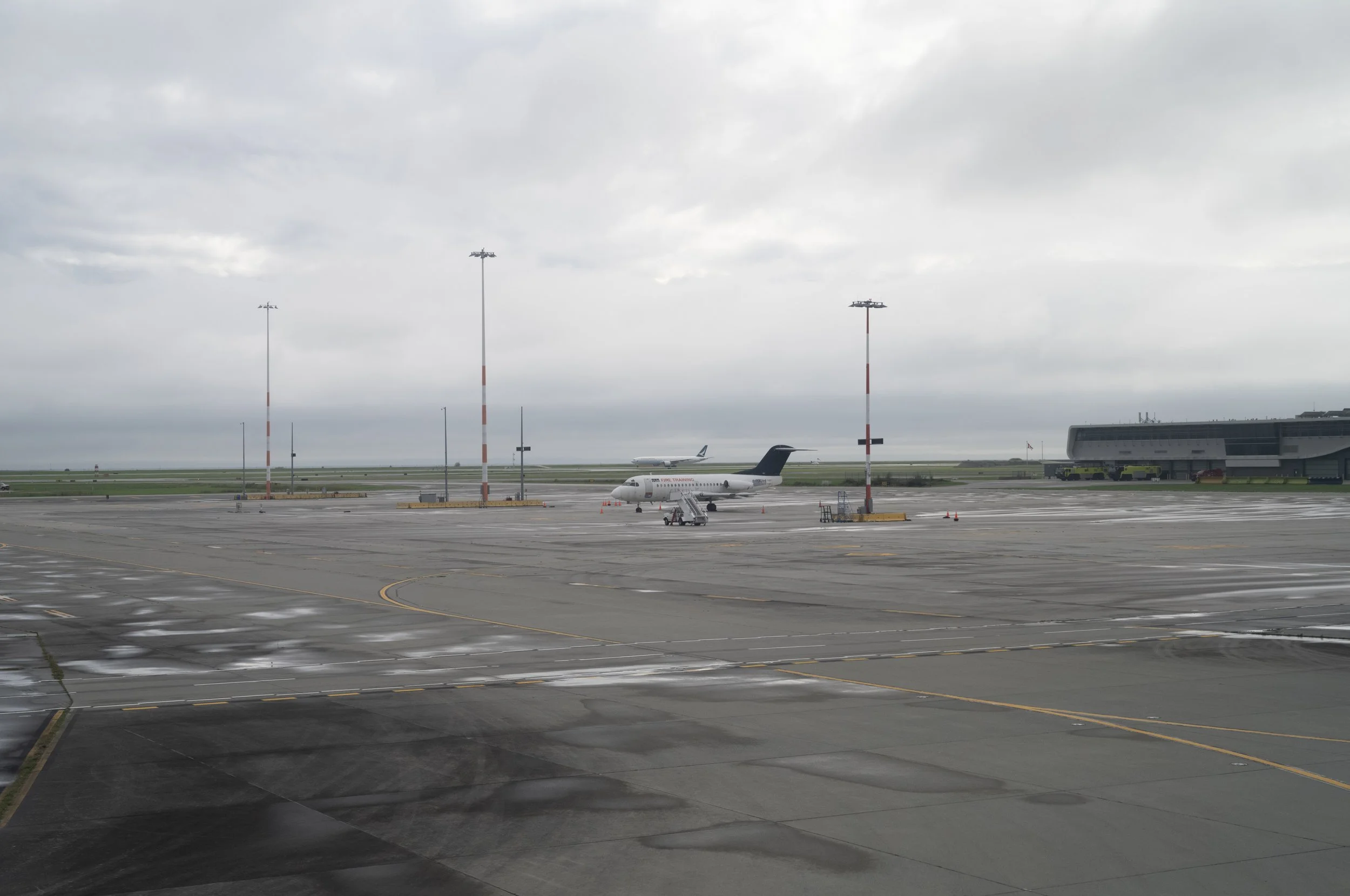
49°11'51.69" N 123°10'42.94" W
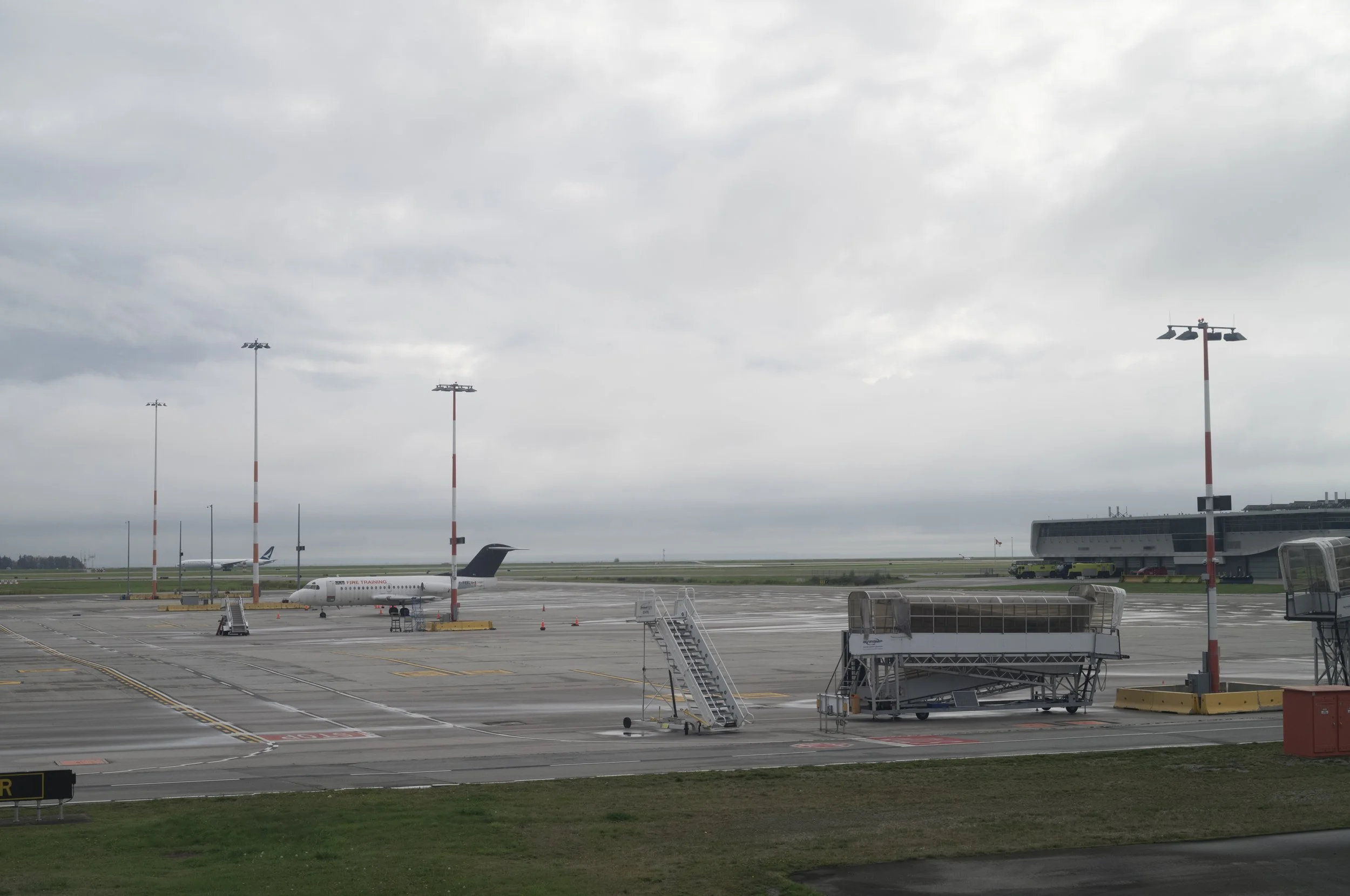
49°11'51.69" N 123°10'42.94" W
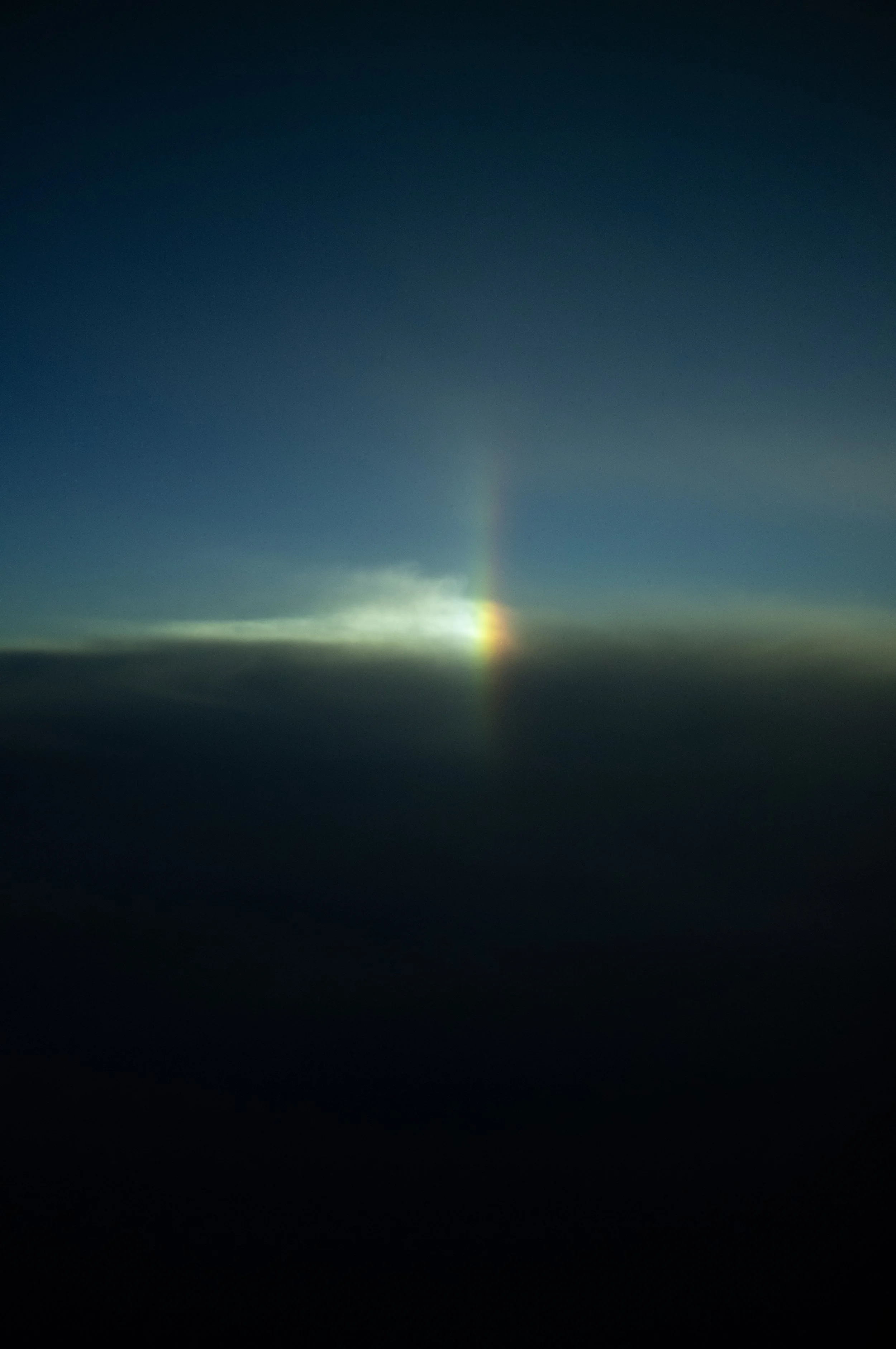
Earth
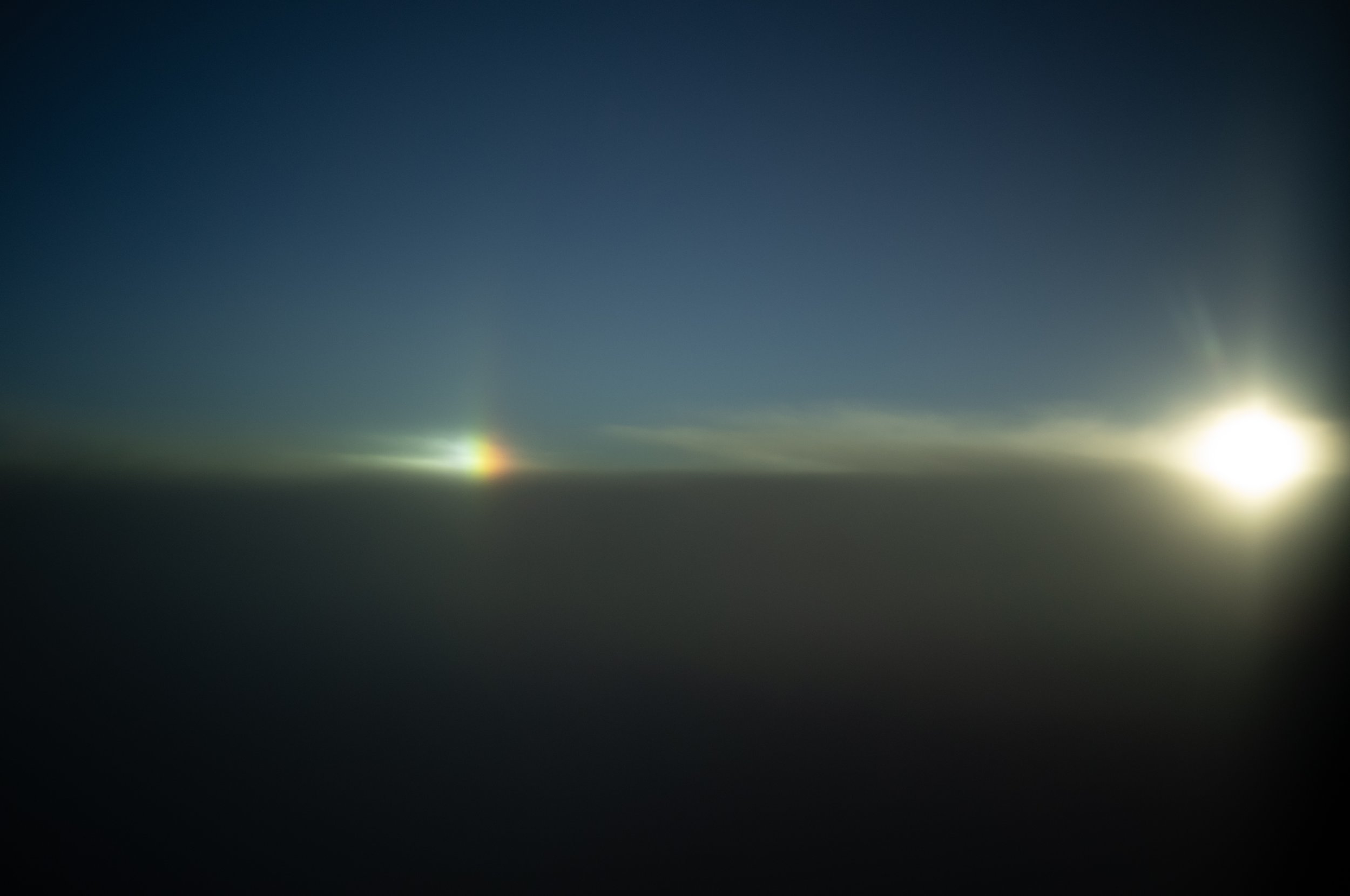
Earth
In commercial photography and in certain strands of traditional documentary practice, whether a photograph “has a center” is often regarded as a necessary condition for its success. I do not share this belief. On the contrary, in my own practice, centralized photographic approaches have produced a series of problems from the very beginning.These problems often emerge at the stage of composition. When I attempt to establish a clear center for a photograph, I am, often unintentionally, pre-installing a narrative logic that belongs exclusively to that single image. This logic then begins to exert a reverse influence on my writing and editing process, making it increasingly difficult to detach myself from the “suggested emphasis” embedded within the image itself when assembling a body of work. For me, this is a dangerous signal. It implies that by the time the sequencing is completed, what ultimately determines the order of images is no longer solely my own conceptual intention, but those centers of gravity that I never meant to emphasize, yet cannot ignore.The result is often predictable: viewers encounter photographs that are emotionally charged and visually convincing, while overlooking other elements that are equally significant but lie outside the visual center—such as weather, light, environment, or the more subtle rhythmic relationships between images. I do not doubt that many readers of this book are experienced photographers and skilled storytellers. Yet for me, traditional composition and clearly defined themes increasingly resemble a form of over-explanation.This sensation is comparable to a film being titled Farewell My Concubine (the actual film being an outstanding work), while the characters merely proceed to mechanically perform that very story. Such an experience of viewing is inevitably singular and closed. Rather than a rejection of traditional composition, my concern is better understood as a reflection on a conventional way of photographing—because composition itself always originates from the ideas a photographer holds before pressing the shutter. I do not believe that a photographer can rely solely on compositional technique while keeping their thinking entirely blank.A single photograph may not, in formal terms, reveal a clear distinction between the traditional and the contemporary. A photographer’s thinking, however, can only be truly perceived through a complete narrative structure—through a body of work, or a book. Ultimately, there is only one point I wish to emphasize: ideas determine the flow of images and their overall rhythm. If a photographer’s thinking remains conservative, then no matter how refined the work may be, it will ultimately present an “old-school” order. For this reason, the shift toward a decentralized photographic approach does not begin with altering compositional methods, but with a fundamental recalibration of photographic thinking itself.How, then, should “decentralization” be understood? I prefer to approach this concept from two perspectives.From the viewer’s perspective, decentralization is first and foremost a temporary transfer of the right to look. Within such a viewing structure, the “center” of the photograph is no longer firmly fixed by the photographer at the moment of capture, but is continuously generated through the viewer’s act of looking. This means that a photograph may contain multiple potential centers, or perhaps no stable center at all. Faced with such images, the viewer is no longer tasked with “understanding a story” in the traditional sense, but with actively choosing paths and points of entry into the image. To a certain extent, this mode of viewing places higher demands on the viewer’s own experience, sensitivity, and judgment. Looking is no longer a guided process, but one of ongoing decision-making.From the photographer’s perspective, multi-linear narration is not a form that can be pre-designed, but a state that inevitably emerges once the image ceases to obey a single theme. This constitutes one of the fundamental differences between decentralized or multi-centered narrative structures and traditional linear narration. For the photographer, this shift first challenges established modes of control over the photographic environment. More potential centers and more coexisting details mean that the image must simultaneously accommodate more information. Under such conditions, the crucial—and most difficult—task of decentralized photographic practice becomes how to select, arrange, and organize this information so that tension and rhythm are preserved through juxtaposition.In Camera Lucida, Roland Barthes introduces the concepts of punctum and studium, which, to some extent, share a structural similarity with the notion of “center” discussed in this book. However, in this section, I wish to approach these concepts from the perspective of decentralization, in order to examine the limitations they reveal within contemporary contexts, as well as the growing distance between these ideas and present-day visual experience.Barthes defines punctum as an accidental, unintentional detail within a photograph. It does not submit to the photographer’s creative intent, yet suddenly “pierces” the viewer during the act of looking, allowing meaning to emerge in a deeply personal way. In contemporary society, however—where visual training is highly developed, media environments are saturated, and symbolic systems are increasingly shared—the “pure contingency” upon which punctum relies is gradually being weakened. Viewers tend to unconsciously process what they see through symbolic frameworks; when a particular object appears, the vast majority of viewers generate associations along similar cultural and experiential paths. The contemporary viewer is no longer the relatively “naïve” viewer Barthes once addressed.Cinema, photobooks, exhibition systems, and social media continuously shape ways of seeing while simultaneously reinforcing the predictability of images. As a result, punctum is increasingly anticipated, or even pre-configured, while those residual elements within images that resist symbolization become ever more scarce. Within such a context, photographers may, through their own life experience, visual judgment, and structural strategies, guide the conditions under which punctum is perceived.In centralized photography, punctum is often confined to deliberately emphasized areas, with the production of meaning pre-restricted to viewing paths established by the photographer. In decentralized photography, by contrast, punctum may emerge in any corner of the image, even in places the photographer themselves did not consciously register. This is not an attempt to control punctum, but a deliberate act of making room for the loss of control.Decentralized photography does not seek to manufacture punctum. Rather, by weakening singular centers and explicit narratives, it remains vigilant against the premature closure of meaning, thereby preserving space for modes of viewing that have yet to be fully named.-Haodongchen 2026 January